
Nathan Fielder Sees Everything

If you went into Nathan Fielder and Lance Oppenheim’s new film You Can See Everything expecting a classical look into the downfall of Elizabeth Holmes’ Theranos, you’re out of your mind. The presence of Fielder in any production is felt in a way no other creative can match, but Lance Oppenheim’s sense of picture in a film is one able to amp it up to another haunting level. I still can’t get some images of Oppenheim’s Primetime out of my head, so I knew his direction could really bring even more layers to some of the twisted narrative I knew would unfurl. And if you know our site, you know Nathan Fielder is one of our favorite Canadians in film and television—among other candidates such as Matt Johnson and Jay McCarrol.
No, You Can See Everything is not simply a documentary on the rise and fall of Elizabeth Holmes. Fielder stays beside Holmes and her partner Billy Evans as the days count down to her conviction in a documentary I can only describe as a complete deconstruction of Holmes’ composition as a human, as well as a look into her and Evans’ psyche. The countdown does not spell the end of the film, though—as you watch Fielder undercover spotting Holmes entering the prison, you soon realize this may just be a new beginning.

It’s always conflicting for me to have to make a review like this. Fielder and Oppenheim’s near three-hour profile of familial and inner personal tragedy here is one of the most brilliant, layered pieces of documentary I’ve ever seen in my life. But just how much can I disclose without spoiling the entire point? Well, I can definitely talk about Fielder’s role in the production as its sole commentating documentarian. His having a role in this story directly plays into its second half following Holmes’ incarceration, conflicted on where the narrative can go now that the production and its very subject have lost contact.
Even in Holmes’ visible absence, the film never stops exploring and diving deep into the full character of each person involved, including Fielder himself. It’s surreal to watch as Nathan puts together this master craft of human introspection without realizing how far in he himself has gotten in this. The crew of the documentary goes back multiple times to their footage and resources, pinning down specific moments and tells to reopen discussion or bring light to that which wasn’t seen before. In its nature of reflection and revisitation, you truly can see everything.
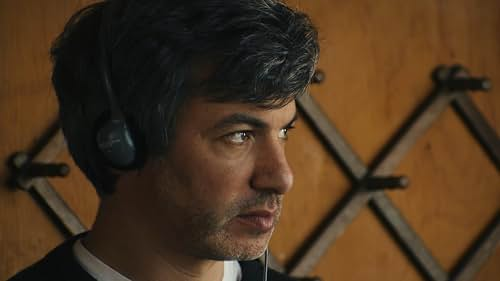
When that initial report came out from The InSneider regarding Fielder secretly visiting Holmes in prison, I was all in already. A secret documentary already sounded on-brand for him, but something so high-profile like the story of Theranos always had me wondering what could have been going on behind the scenes to make this possible. After watching the film? I’m still not sure. Fielder asks Holmes and Evans multiple times throughout and doesn’t quite get the answers he’s looking for either. Then again, that may be the point. Again, this is the second film directed by a Canadian to release this year I find myself wondering how they filmed and released. Even if you’re not into documentaries usually, I highly encourage changing things up and seeing this in theaters while you can. There’s an unbelievable nature to so much of what’s presented and how it’s cut together, and yet it’s all completely authentic. Why would they lie? There’s no reason for them to do that.
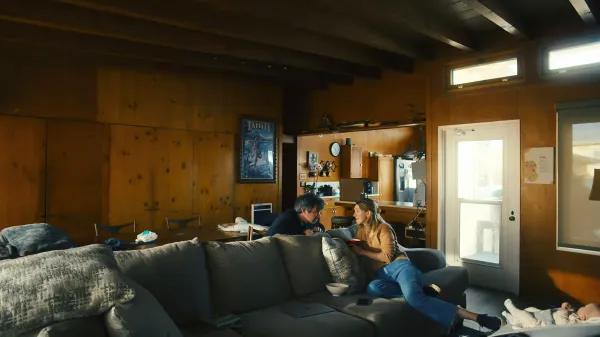
You Can See Everything is now playing in theaters nationwide.