
Like many other recent years of coverage, the internet is bubbling with speculation and discussion as CinemaCon 2024 coverage spreads. Major motion studios like Disney, Warner Bros. Discovery, and Universal have been dropping new info left and right on their upcoming slates, as well as others such as Lionsgate and Blumhouse. The latter’s panel on Wednesday ended up revealing all sorts of information for its loyal fans, such as the release date of the highly anticipated sequel to Five Nights at Freddy’s—Fall 2025. Whether or not this will be Halloween of that year as the last one remains to be seen. Though, hopefully we’ll be able to enjoy the sequel just as much as we did the first film in the franchise.
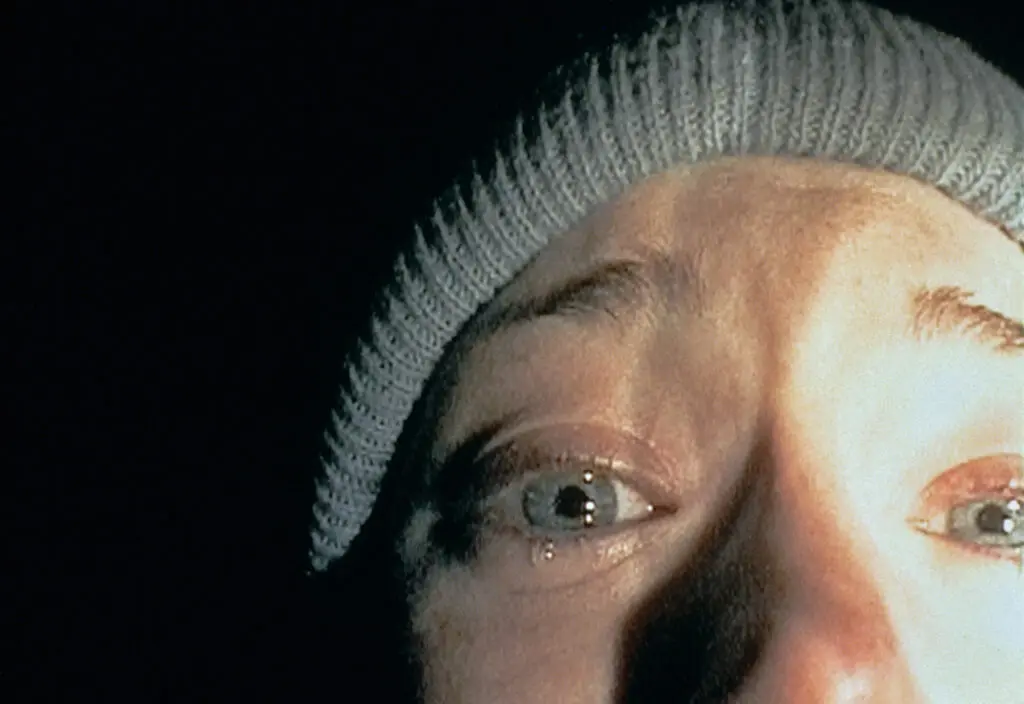
Another piece of information revealed by the studio at the convention on Wednesday was in relation to the Blair Witch franchise. The original Blair Witch Project lit America on fire, causing a boom in the found footage horror subgenre as many questioned whether or not its depicted events and corresponding footage was real or not. No matter the original film’s quality to some and despite it not inventing the genre, it was one of the first in the subgenre to get things right and popularize its format. There will never be another film quite like the original Blair Witch Project.
So is there a reason Blumhouse is so confident they’ll be able to replicate that success?
The marketing, speculation, and contents of the original film worked together in a way that only could have worked that first time. Advertisements marketed its stars as missing, and the footage as when they were last seen. The stars in question were relatively unknown, as was the directing/writing team behind the film, all of whom were credited by their own names a la documentary format. This all blended together to make speculation about its authenticity run rampant, which only fueled the fire more. Now that this perfect storm has come and gone, it’s been hard for any subsequent entry in the Blair Witch series to drum up nearly the amount of publicity the original did.
This isn’t to say that Blumhouse as a studio lacks the talent or drive to crank out box office successes. Recent endeavors such as The Black Phone, M3GAN, and especially last year’s Five Nights at Freddy’s have seen extremely impressive returns, both in terms of revenue and reception. The studio is at its best when producing engaging screenplays directed by filmmakers with complete creative control over the project. Though, with a director still unannounced for the studio’s Blair Witch film at this time, a morbid curiosity looms over whether or not the studio can helm a director/writer team that can put a twist on the concept and subgenre as engaging as the 1999 film.
We’ll be covering more news from CinemaCon 2024 in the coming weeks as the news from the event materializes and expands.
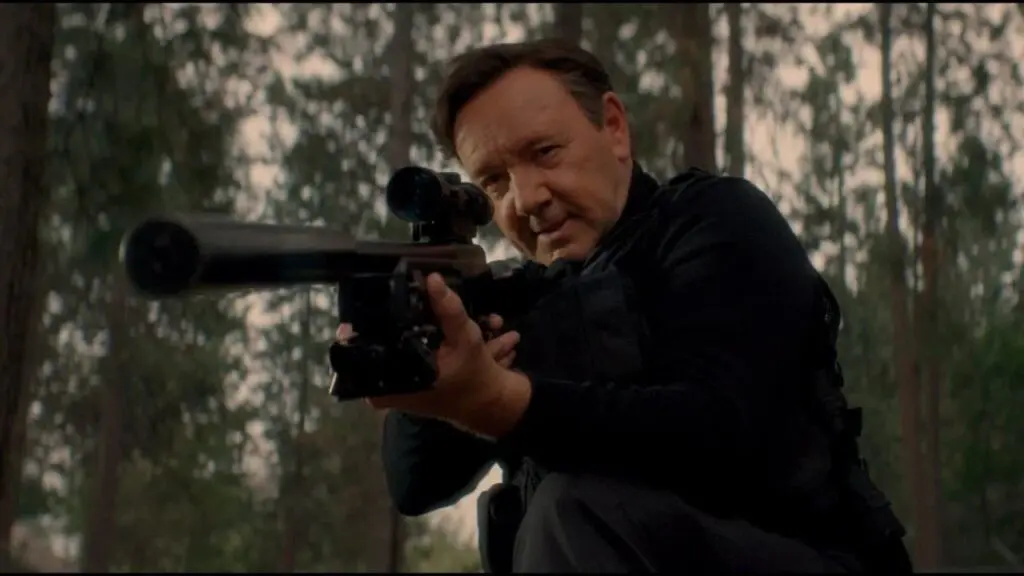
The 21st of March brought with it the premiere of Peter Five Eight, a noir action-thriller featuring Kevin Spacey in his first role of 2024. Invincible Entertainment’s newest release stars Spacey as the titular Peter, a mysterious assassin sent on a mission to a small town to investigate Sam, a real estate agent living a double life, played by Jet Jandreau.
The film, named after the verse of the same name from the King James Bible, excels in its masterful direction by Michael Zaiko Hall, who also served as the writer and one of the producers on the film. Despite its dark themes, the film feels extremely alive and vibrant due to Nigel Galt‘s excellent editing and color grading of every scene. This choice makes the small town Spacey explores feel notably homely, which sells the fish out of water dynamic he has with each of its inhabitants.
Every character Peter interacts with during his stay in the mountain town feels distinct, with the supporting cast bringing every location to life. The dialogue between those onscreen feels natural, allowing for the audience to get invested in their lives and how Peter’s role in the town will interact and coalesce into them. This makes it all the more shocking when action-packed scenes begin, as we watch Peter chasing Sam through familiar locations we’ve previously associated with this calm, familiar hometown.
With assassins and killers as charismatic as Peter and Sam cast perfectly, Peter Five Eight has something for everyone who enjoys a good action-thriller. The air of mystery in a small town is reminiscent of shows like Twilight Zone, and it’s a great time watching Spacey and Jandreau make the story feel so alive and turn the town’s usual way of life upside down.
Peter Five Eight is now available to buy/rent on Amazon Prime Video, Google Play, and YouTube Movies.
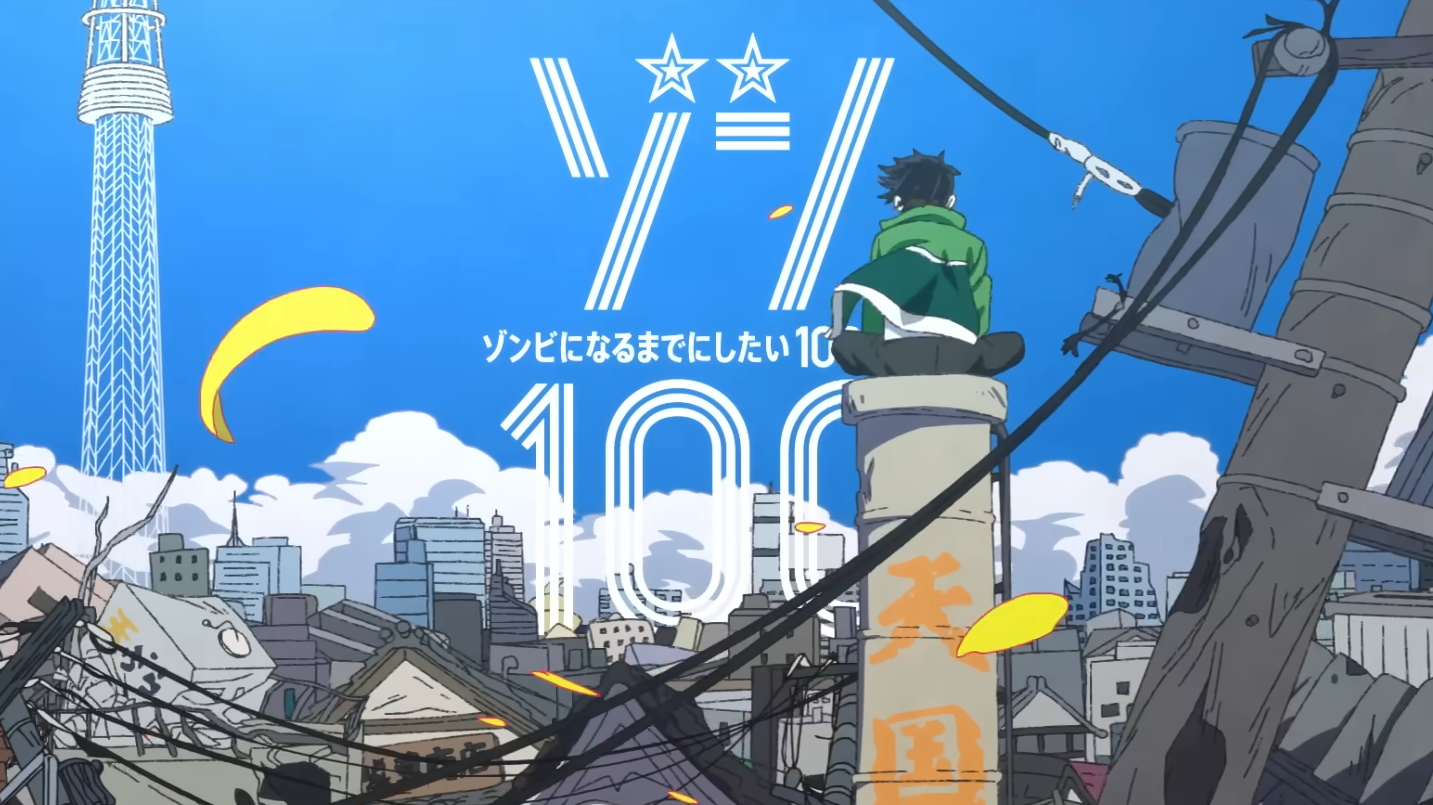
When The Walking Dead ended its run on AMC in 2022, it felt as if there were no major active efforts left in the zombie film scene, save for a few of the show’s spinoffs that weren’t doing very well. With 11 seasons worth of content there, it felt hard to breathe new life into a genre so conceptually predictable. The world population falls to the infection, there are a few small groups of survivors left traversing the planet, et cetera, et cetera. Personally, I find the genre the most interesting when there are factors to keep me entertained besides the clear threat of zombies. I’ve had a good time with films like Zombieland and the likes of the Cornetto trilogy, as they zero in on a group of strangers who absolutely do NOT belong together in this situation having a great time. As these two films (among others) have aged, artists who’ve grown up with them have had a chance to contribute to the genre with the inspiration received from said films. Enter Haro Aso with his 2018 story, Zom 100: Bucket List of the Dead.
The story focuses on Akira Tendo, a film production worker who, upon discovering he’s woken up to a zombie apocalypse, quits his job for an indefinite vacation to do everything he’s always wanted to do but never had the time for. Accompanied by his childhood friend Kencho, the mysterious Shizuka, and the eccentric foreigner Beatrix, the four face the road ahead with an open mind and a collective bucket list to complete before they succumb to the infection.
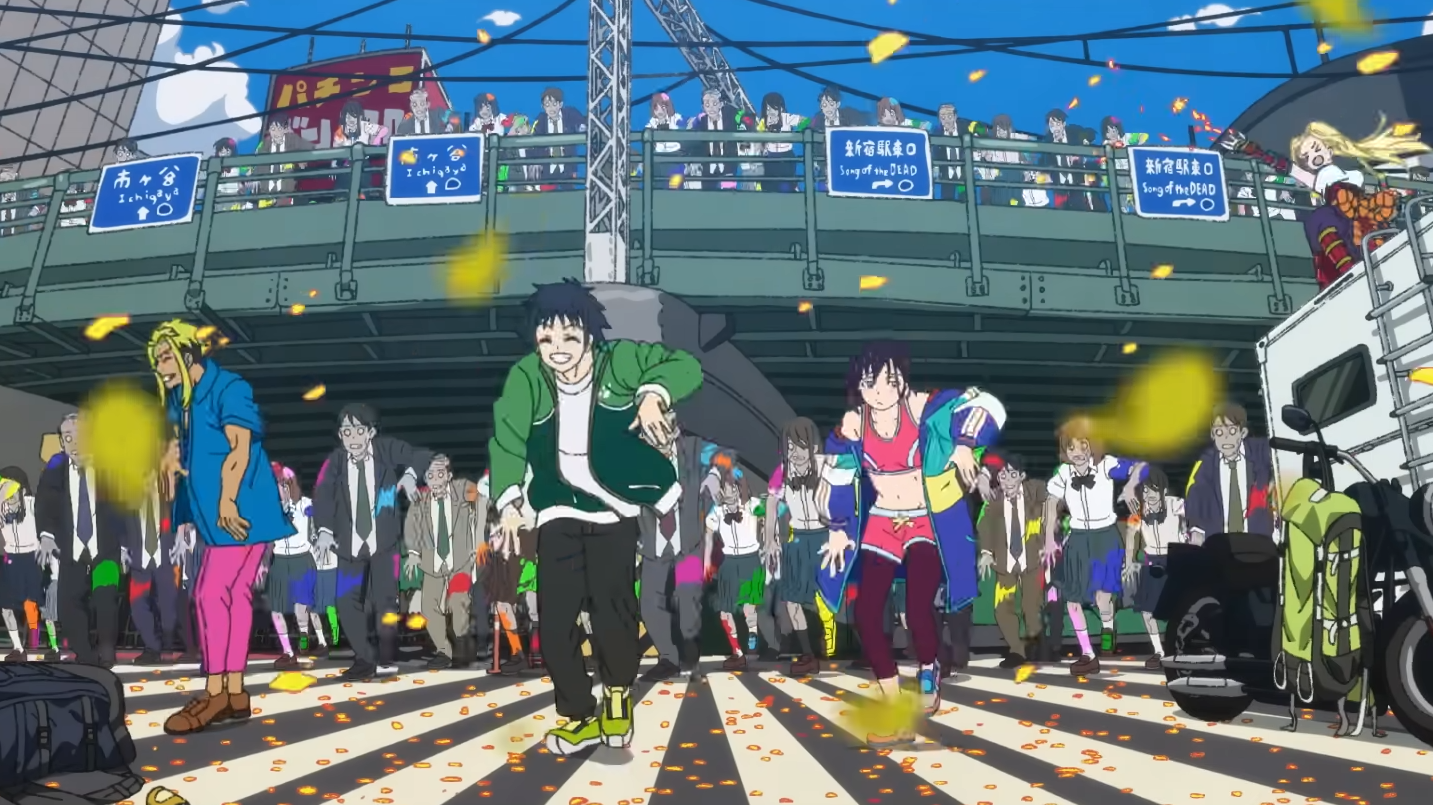
The story asks the question, would you rather despair until your known inevitable demise, or make the most of the time you have until that fateful day? The four main cast members all have a layered background explored in the episodes, comparing and contrasting their mundane lives prior to the start of the virus. Kensho had a similar miserable work experience to Akira, Beatrix always dreamed of visiting Japan, and Shizuka’s troubled past leads her present journey to pump some life back into her flawed perspective. They all learn, and more importantly, live, in the face of the danger this fearsome new world presents.
The story takes a strangely positive outlook on the prospect of a zombie pandemic, making it stand out in the crowd of other attempts to take on the genre. The blood spilled by those infected upon the survivors has the aesthetic of a paint can, multiple colors gushing out across the streets of multiple cities and countrysides of Japan. It’s almost reminiscent of the Danganronpa series’ infamous pink blood, though tonally both serve their series equally well. Danganronpa‘s pink blood adds to its eerie tone of mystery and deceit, making each body discovery all the more shocking. Zom 100 utilizes the multicolored blood splatters to its fullest potential, creating the most colorful, dynamic landscapes for any piece of zombie fiction I’ve ever seen—besides maybe Plants vs. Zombies. The intro is a force to be reckoned with as well, boasting flash mob-esque visuals alongside said colorful splatters.
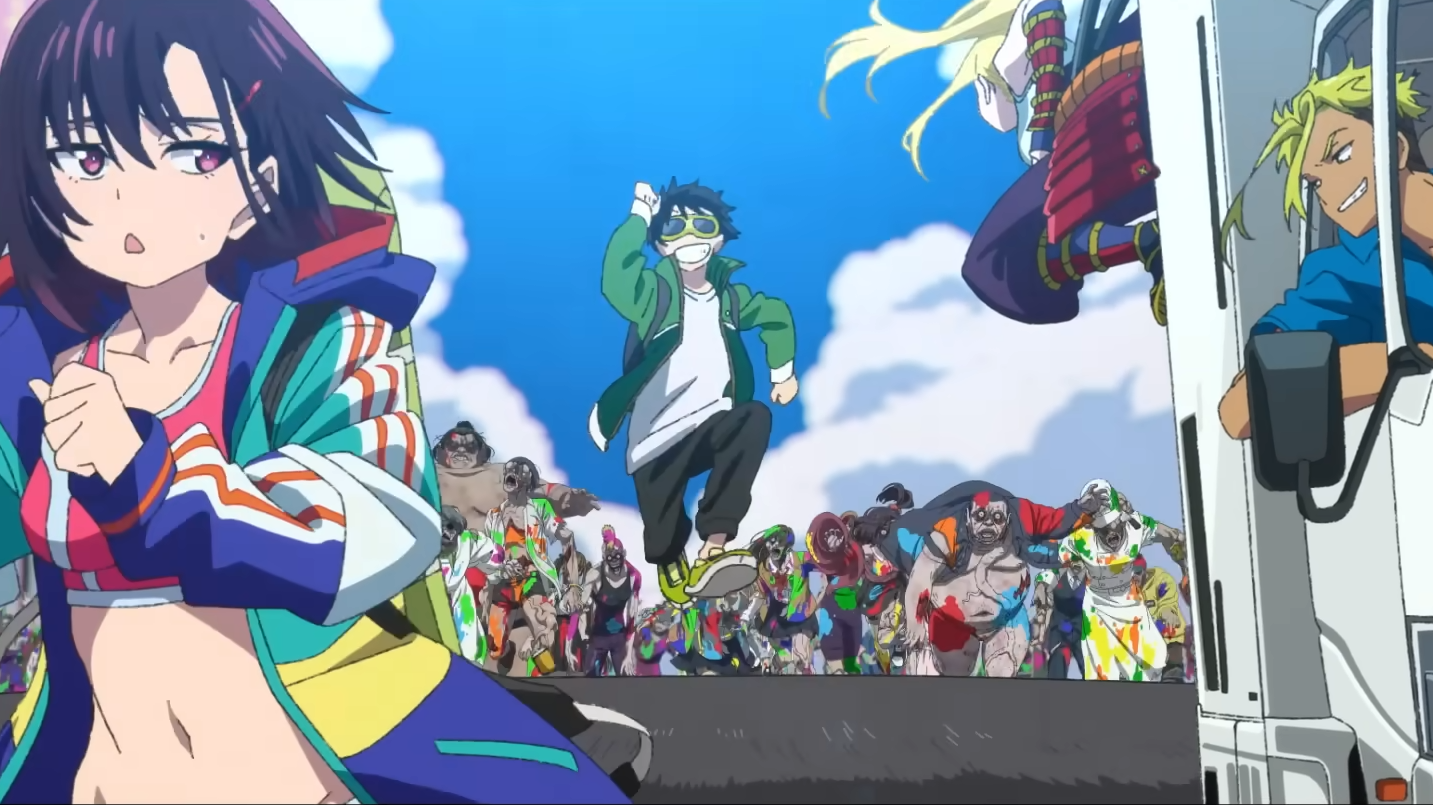
The first season of Zom 100: Bucket List of the Dead is now streaming on Netflix, Hulu, and Crunchyroll.

When I saw the reception to Takashi Yamazaki’s Godzilla Minus One was so overwhelming that it extended its stay in American cinemas, I knew I had to check the film out. Despite a lack of knowledge on the genre, what I did know was that many of my friends were fans of Godzilla films, namely Hideaki Anno and Shinji Higuchi’s Shin Godzilla film in 2016. So, when the opportunity arose to check out the new film in theaters with them, I accepted, and can confirm that from that day forward I’ve become a massive fan of the Godzilla films. It’s that good.
Godzilla Minus One is a combination of genres I haven’t heard before. Obviously it’s a kaiju film, Godzilla’s name is right there in the title, but the film also leans heavily into the war genre and nails the mental and emotional toil that comes with it. The main protagonist Kōichi lives a life full of unending trauma, torture, and tragedy that he eventually feels personally tied in with the titular Godzilla. The film is largely comprised of preparation for the monster’s attack, intercut with lower-scale attacks he makes prior to surfacing on the main islands of Japan. It’s gripping the whole way through due to the horrors of war Kōichi faces early on. The audience wants him to succeed, because they’ve already seen what failure has done to him.
The effects in the film feel so real and consequential, with both digital and practical effects meshing together in a way that refuses to break immersion. It’s hard to tell at times which is which, instead letting the actions of Godzilla speak for themselves as a team of dedicated veterans and engineers plan a counterattack. I’ve seen films these past few years in theaters with hundreds of millions of dollars poured into their budget only for their visual effects to come out unpolished and unreliable. Godzilla Minus One has an alleged budget of less than $15 million, and yet its gorgeous effects put even the highs of most modern Marvel releases to shame.
:no_upscale()/cdn.vox-cdn.com/uploads/chorus_asset/file/25048353/DSC06463_dc_Ryunosuke_Kamiki.jpg)
As mentioned at the beginning, Godzilla Minus One has recently extended its stay in theaters due to its immense success in the West, alongside another Japanese film The Boy and the Heron. Our review of the latter is linked here, and I highly encourage you to see both while you can. They’re both unforgettable theater experiences in their own right.
Godzilla Minus One is now playing in theaters worldwide.
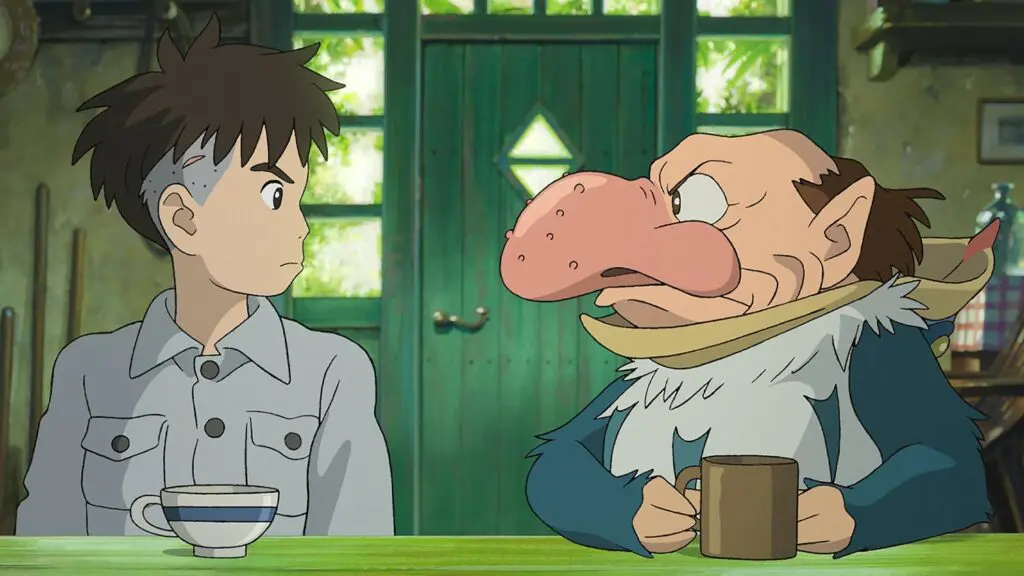
Saying goodbye is never easy. Some artists leave behind a legacy of fantastic films with one final swansong fully intended as their magnum opus. For others, they may unfortunately just… stop one day. The mind of Hayao Miyazaki has never been one to back down from the industry of animated film, each and every film of his feeling distinct and yet unmistakably a work of his own. No one else could have made The Boy and the Heron, a film which truly feels like Miyazaki is saying goodbye to a world of cinema and, in a way, Studio Ghibli. However, the director has since returned to the studio with ideas for a new film, as shown in an interview with veteran Ghibli producer Toshio Suzuki.
Talks of Hayao Miyazaki’s retirement go as far back as 2005-2006, during the production of Tales from Earthsea, directed by his son Goro Miyazaki. The director has never succumbed to retirement since, and his return to the studio this time probably won’t be the last time we witness his “retirement”.
The Boy and the Heron tells a profound story about a boy named Mahito growing up in war-torn Tokyo, moving to a more rural area once his mother perishes in a hospital fire and his father remarries his late wife’s sister Natsuko. From here, the film seems to take cues from multiple different Ghibli films, namely Spirited Away, which it resembles the most. However, that’s not to say the film copies or insists upon the previous work of Miyazaki consciously or obnoxiously. Miyazaki is as Miyazaki’s been, creating heartfelt films about a lost character finding themselves in a strange new land, discovering more about themselves that they didn’t know they’d needed all this time.
The first half of the movie is incredibly captivating and tragic; Miyazaki hooks the viewer with the melancholy eccentricities displayed by Mahito and the tragedy he faces, as well as keeping alive the mystery of the blue heron bird that lingers throughout the countryside, taunting him and luring him to the eerie tower over the river. The audience can really connect with his struggles, really rooting for him and hoping he’ll find solace in something in this new land, but it’s clear he’s never truly been the same since his mother passed away in that fire.
The second half of the movie relies upon Miyazaki’s tactic of an open-ended adventure, wherein Mahito finally answers the call of the blue heron and explores this new world within the tower. The characters he meets and the locations he travels to all feel distinct and dynamic, intrinsic to each others’ existences. They’re tied together really well, and it really does feel like the inherent stability of this strange land insists upon the fact that these characters exist right where they exist–something explored in the later scenes of the film. It’s a powerful mode of storytelling, though Miyazaki’s tactic does play down some of the important elements of the film a bit as a result. It’s common for Ghibli films to be open-ended and vague, and sometimes the viewer can easily derive meaning from what a scene’s purpose is. However, with a film as packed as The Boy and the Heron, employing so many of Miyazaki’s methods of direction, it almost feels too vague at times in this new world. As the first half of the film is grounded in reality, it’s easier to tell what a character is feeling or what they’re planning on doing based on their body language and actions. However, this new world requires a bit more exposition and directness to fully understand what some of its components really mean.
The Boy and the Heron is now playing in theaters worldwide.

Every single detail regarding the adaptation Scott Pilgrim Takes Off was a rollercoaster from reveal to release. The idea for a Scott Pilgrim anime series wasn’t bad, if a bit jarring given the graphic novel’s Western origin. However, once the opening credits were revealed by Netflix ahead of the series’ release, everyone seemed to agree that Science Saru Inc. was nailing the style and flair the series is known for.
With the entire cast from the 2010 film adaptation reprising their roles in voice form, Anamanaguchi on the score—who composed the soundtrack for the acclaimed tie-in arcade game, as well as original author Bryan Lee O’Malley co-writing the script, this seemed to be too good to be true. There were a few odd details, however. How would an adaptation presumably sticking to the same plot beats expand this universe as O’Malley claimed it would? Why was the title Scott Pilgrim Takes Off instead of the clear Scott Pilgrim vs. The World route a one-to-one adaptation would’ve typically taken?
Viewers are taken down a vastly different route in the first episode of the series. Most of the episode follows the same general plot beats as the source material, though this facade is broken when Scott actually LOSES the first fight against Matthew Patel. From this point onward, the series becomes a completely original work within the Scott Pilgrim universe, expanding its lore as O’Malley claimed while keeping the core of every character intact.
Long-time fans of the story are understandably split on how they feel about the anime. Some feel betrayed and burned by the series’ deceptive marketing, while others open this expansion of the Scott Pilgrim universe with open arms. Some even enjoy the anime but wish there was indeed a faithful adaptation regardless. The overall reception to the series seems to be largely positive however, with its polished visuals, stunning performances by mainstay and guest cast members and enthralling soundtrack being hard to deny.
The series seems to leave off on a cliffhanger, which—given the anime’s different direction from the start—seems to imply a continuation of sorts is in order. Whether that’s through a second season or a new graphic novel serialization is yet to be confirmed.
Scott Pilgrim Takes Off is now streaming on Netflix.
Get Some Strange!