
Many members of our staff were pleased to hear our review of Wallace and Gromit: Vengeance Most Fowl was in production, and rightfully so. There’s nothing quite like claymation anywhere else in the industry, with titans like Aardman and LAIKA producing hits that resonate with cinemagoers old and new. The Wallace and Gromit series began with a series of short films in the late 1980s, but Vengeance Most Fowl marks the inventor and his dog’s second feature length endeavor since 2005’s The Curse of the Were-Rabbit. That film brought home the title of Best Animated Feature at the 2006 Academy Awards. We’re not making any statements regarding Vengeance Most Fowl and its potential to win the award again at the upcoming ceremony, but that doesn’t mean we’re not thinking it.
Following a brief scare concerning Aardman’s supply of clay for film production, the company clarified the supply would not affect the pipeline of Vengeance Most Fowl, which went on to premiere on BBC last Christmas and have a wider release on Netflix the following year on January 3rd. Wallace & Gromit as a series has long been a masterclass in visual gags and subtle comedy. Silent as characters like Feathers McGraw and Gromit may be, their expressions and gestures show Aardman’s mastery of their craft is still alive and well.
Wallace & Gromit as a franchise is one that fundamentally instills its viewers with the knowledge that the title characters will prevail in the end. This isn’t to say Vengeance Most Fowl is without its share of suspense and stakes. Wallace may be a caring inventor who wants to aid in the betterment of the neighborhood, hopefully with a breakout invention of his, but Feathers McGraw is just as evil—if not more—as he was in The Wrong Trousers, the 1993 short film preceding the duo’s newest entry.
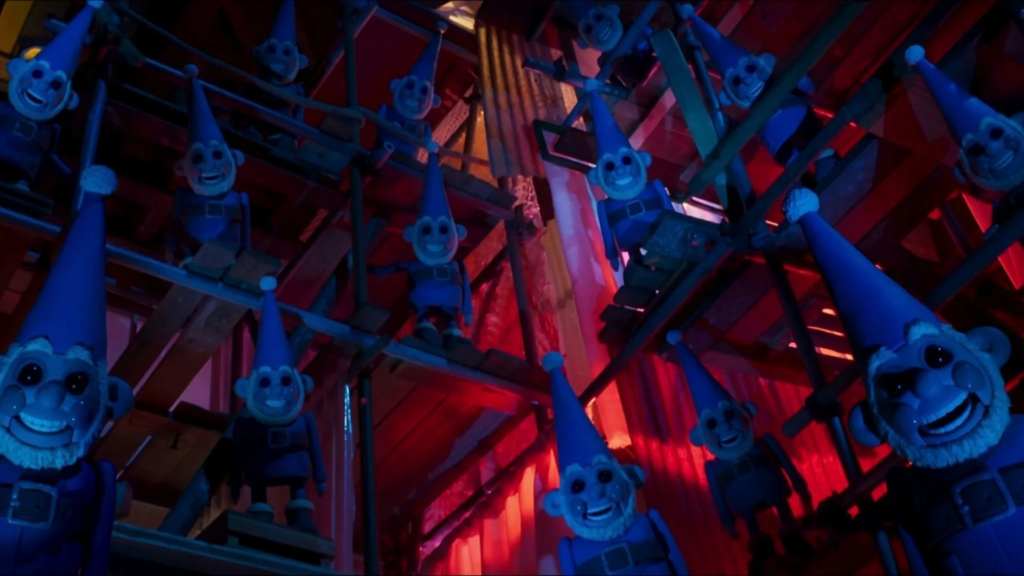
Feathers’ army of hijacked Norbot units paints one of the bleakest pictures portrayed in the Wallace & Gromit series, though this is far from a bad thing. The gravity with which Gromit handles the situation at hand is gripping and tense. Again, though the viewer maintains a feeling he will prevail, it honestly amplifies the intensity of the situation wondering how the road to victory is assembled. The callbacks to past Wallace & Gromit entries don’t feel out of place, they feel warranted rather than something thrown in for fanservice or familiarity.
Vengeance Most Fowl is a great film for the family, fans of comedies, claymation, and Aardman’s work in general. The plot is simple yet well-executed, and much of the shots in the film are incredibly well-composed and well-lit, being some of the franchise’s most ambitious work to date when put into perspective. It’s well deserving of its nomination at this year’s Academy Awards, and we’re holding out hope it’ll put up a good fight.
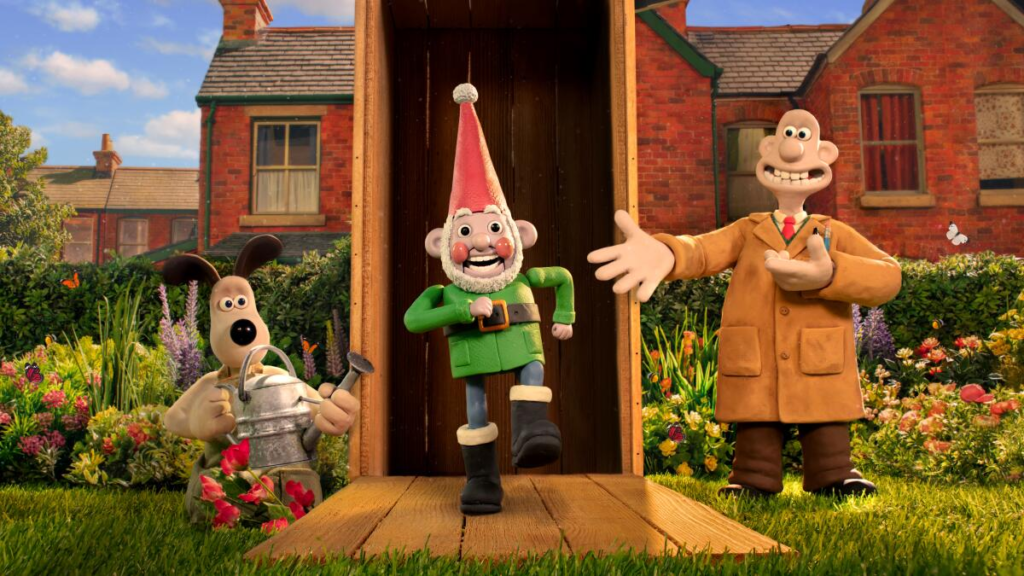
Wallace & Gromit: Vengeance Most Fowl is now streaming on Netflix worldwide.
Today, following much buzz among the cinemagoer space, this year’s Academy Awards nomination presenters Rachel Sennott and Bowen Yang announced the full list of nominations for the show. Set to be broadcast live on ABC and, for the first time, Hulu on March 2nd, the Academy Awards needs no introduction. It’s tradition each year for some to watch each year and root for their picks, or even for those more unfamiliar with the wider cinema space to vouch for the films that impacted them the most over the course of the previous year. Without further ado, here are the list of nominees!
Best Picture
- Anora
- The Brutalist
- A Complete Unknown
- Conclave
- Dune: Part Two
- Emilia Pérez
- I’m Still Here
- Nickel Boys
- The Substance
- Wicked
Best Director
- Sean Baker (Anora)
- Brady Corbet (The Brutalist)
- James Mangold (A Complete Unknown)
- Jacques Audiard (Emilia Pérez)
- Coralie Fargeat (The Substance)
Best Actor
- Colman Domingo (as John Whitfield in Sing Sing)
- Adrien Brody (as László Tóth in The Brutalist)
- Timothée Chalamet (as Bob Dylan in A Complete Unknown)
- Ralph Fiennes (as Cardinal Thomas Lawrence in Conclave)
- Sebastian Stan (as Donald Trump in The Apprentice)
Best Actress
- Cynthia Erivo (as Elphaba Thropp in Wicked)
- Karla Sofía Gascón (as the titular role in Emilia Pérez)
- Mikey Madison (as the titular role in Anora)
- Demi Moore (Elisabeth Sparkle in The Substance)
- Fernanda Torres (Eunice Paiva in I’m Still Here)
Best Supporting Actor
- Kieran Culkin (as Benjamin Kaplan in A Real Pain)
- Guy Pearce (as Harrison Lee Van Buren in The Brutalist)
- Edward Norton (as Pete Seeger in A Complete Unknown)
- Yura Borisov (as Igor in Anora)
- Jeremy Strong (as Roy Cohn in The Apprentice)
Best Supporting Actress
- Ariana Grande (as Glinda Upland in Wicked)
- Felicity Jones (as Erzsébet Tóth in The Brutalist)
- Monica Barbaro (as Joan Baez in A Complete Unknown)
- Isabella Rossellini (as Sister Agnes in Conclave)
- Zoe Saldaña (as Rita Mora Castro in Emilia Pérez)
Best Original Screenplay
- Sean Baker (Anora)
- Brady Corbet & Mona Fastvold (The Brutalist)
- Moritz Binder, Tim Fehlbaum, & Alex David (September 5)
- Jesse Eisenberg (A Real Pain)
- Coralie Fargeat (The Substance)
Best Adapted Screenplay
- James Mangold & Jay Cocks (A Complete Unknown, original story by Elijah Wald)
- Peter Straughan (Conclave, original story by Robert Harris)
- Jacques Audiard (Emilia Pérez)
- RaMell Ross & Josyln Barnes (Nickel Boys, original story by Colson Whitehead)
- Greg Kwedar, Clint Bentley, Clarence Maclin, John Whitfield (Sing Sing, original story by John H. Richardson)
Best Animated Feature
- The Wild Robot
- Inside Out 2
- Memoir of a Snail
- Flow
- Wallace & Gromit: Vengeance Most Fowl
Best International Feature Film
- Emilia Pérez (France)
- The Seed of the Sacred Fig (Germany)
- The Girl with the Needle (Denmark)
- Flow (Latvia)
- I’m Still Here (Brazil)
Best Documentary Feature Film
- Black Box Diaries
- No Other Land
- Soundtrack to a Coup d’Etat
- Sugarcane
- Porcelain War
Best Documentary Short Film
- Death by Numbers
- I Am Ready, Warden
- Incident
- Instruments of a Beating Heart
- The Only Girl in the Orchestra
Best Live Action Short Film
- Anuja
- The Man Who Could Not Remain Silent
- The Last Ranger
- A Lien
- I’m Not a Robot
Best Animated Short Film
- Beautiful Men
- Yuck!
- Wander to Wonder
- In the Shadow of the Cypress
- Magic Candies
Best Original Score
- The Brutalist (Daniel Blumberg)
- The Wild Robot (Kris Bowers)
- Wicked (John Powell & Stephen Schwartz)
- Conclave (Volker Bertelmann)
- Emilia Pérez (Clément Ducol & Camille)
Best Original Song
- “El Mal” from Emilia Pérez (Clément Ducol, Camille, Jacques Audiard)
- “Mi Camino” from Emilia Pérez (Clément Ducol & Camille)
- “The Journey” from The Six Triple Eight (Diane Warren)
- “Never Too Late” from Elton John: Never Too Late (Elton John, Brandi Carlile, Andrew Watt, Bernie Taupin)
- “Like a Bird” from Sing Sing (Abraham Alexander & Adrian Quesada)
Best Sound
- Dune: Part Two (Gareth John, Richard King, Ron Bartlett, Doug Hemphill)
- The Wild Robot (Randy Thom, Brian Chumney, Gary A. Rizzo, Leff Lefferts)
- Wicked (Simon Hayes, Nancy Nugent Title, Jack Dolman, Andy Nelson, John Marquis)
- A Complete Unknown (Tod A. Maitland, Donald Sylvester, Ted Caplan, Paul Massey, David Giammarco)
- Emilia Pérez (Erwan Kerzanet, Aymeric Devoldère, Maxence Dussère, Cyril Holtz, Niels Barletta)
Best Production Design
- The Brutalist (Judy Becker & Patricia Cuccia)
- Dune: Part Two (Patrice Vermette & Shane Vieau)
- Wicked (Nathan Crowley & Lee Sandales)
- Conclave (Suzie Davies & Cynthia Sleiter)
- Nosferatu (Craig Lathrop & Beatrice Brentnerová)
Best Cinematography
- The Brutalist (Lauren “Lol” Crawley)
- Dune: Part Two (Greig Fraser)
- Maria (Ed Lachman)
- Emilia Pérez (Paul Guilhaume)
- Nosferatu (Jarin Blaschke)
Best Makeup and Hairstyling
- A Different Man (Mike Marino, David Presto, Crystal Jurado)
- The Substance (Pierre-Oliver Persin, Stéphanie Guillon, Marilyne Scarselli)
- Wicked (Frances Hannon, Laura Blount, Sarah Nuth)
- Emilia Pérez (Julia Floch Carbonel, Emmanuel Janvier, Jean-Christophe Spadaccini)
- Nosferatu (David White, Traci Loader, Suzanne Stokes-Munton)
Best Costume Design
- Gladiator II (Janty Yates & Dave Crossman)
- A Complete Unknown (Arianne Phillips)
- Conclave (Lisy Christl)
- Nosferatu (Linda Muir)
- Wicked (Paul Tazewell)
Best Film Editing
- The Brutalist (David Jancso)
- Anora (Sean Baker)
- Wicked (Myron Kerstein)
- Emilia Pérez (Juliette Welfling)
- Conclave (Nick Emerson)
Best Visual Effects
- Kingdom of the Planet of the Apes (Erik Winquist, Stephen Unterfranz, Paul Story, Rodney Burke)
- Alien: Romulus (Eric Barba, Nelson Sepulveda-Fauser, Daniel Macarin, Shane Mahan)
- Wicked (Pablo Helman, Jonathan Fawkner, David Shirk, Paul Corbould)
- Better Man (Luke Millar, David Clayton, Keith Herft, Peter Stubbs)
- Dune: Part Two (Paul Lambert, Stephen James, Rhys Salcombe, Gerd Nefzer)
And that’s our full list of nominees for the 97th annual Academy Awards! The foreign film Emilia Pérez leads this year’s list with a whopping 13 total nominations, a number shared with 2023’s Oppenheimer which went on to win Best Picture. We’ll be covering the list of nominees throughout the coming months here on Don’t Tell, as well as news on the upcoming show. We can’t wait to watch along with you!
Master of the surreal, David Lynch has left us. He is gone from this world, but his avant garde visions committed to film, live on. Few American filmmakers have had such a lasting effect on the global cinematic tradition, transforming the landscape of both film and television the way he did. A mid-century child of the Midwest who, through his experience of life and reality, also became a peerless visual poet of the L.A. “dream factory.” In this reviewer’s mourning opinion, the only outlier and arguably greatest graduate of the “New Hollywood” class of the 1970’s and father of the “midnight movie”. I mourn with his family and with the global cine-family of cinefiles who worship at the altar of the avant garde.
His genius could not be decoded, and his aesthetic is rarely imitated and even more rarely matched. Lynch leaves us with a cinematic legacy of the dreamscape that is staggeringly influential, simultaneously shaping and questioning our consciousness, our awareness, and our attitudes of the vast concept that is Americana.
All authorities in his class, from Steven Spielberg to Martin Scorsese have bowed to this great American Auteur whose singular vision has awed us for over 40 years, and who, most recently had been cast to play another great and singular American cinema visionary, John Ford, in Steven Spielberg’s “The Fabelmans.”
Six years following the release of “Twin Peaks: The Return,” putting every other legacy TV sequel to shame, it now stands as his final artistic statement. A pure and absolute opus… a testament to the Lynchian oeuvre. Here is this cinefile’s ranking of the director’s best feature films and full-length TV shows, excluding his short films, commercials, and short-lived TV projects which remain, to this day, difficult to see, even in this age of streaming, and for those who have viewed them, their biggest flexes as cinephiles.
12. Dune (1984)

11. Wild at Heart (1990)

10. Lost Highway (1997)

9. The Straight Story (1999)

8. Inland Empire (2006)

7. The Elephant Man (1980)

6. Eraserhead (1977)

5. Twin Peaks: Fire Walk With Me (1992)

4. Mulholland Drive (2001)

3. Twin Peaks (1990-1991)

2. Twin Peaks: The Return (2017)

1. Blue Velvet (1986)

Eagle-eyed fans of the Sonic franchise have been eagerly awaiting the third entry in the blue blur’s film series, Sonic the Hedgehog 3. As far as trailers go, many were quick to point out that the film seemed to dip a lot into the pool of Dreamcast-GameCube era Sonic titles. Sonic Heroes, Shadow the Hedgehog, and most notably Sonic Adventure 2 all seemed to have a presence and/or impact on the film’s contents in some way. As with the movies that preceded this, it seemed to be a collage of various elements from across the series’ history along with a few original pieces that culminated in what appeared to at least be a mainly Sonic Adventure 2-adjacent adaptation. Diehard fans of the series have been loving Sonic the Hedgehog 3, with its blend of homages and faithfulness playing wonderfully with the performances of the main cast and the sets mirroring places both new and old from the movies and games. Though, some pacing and writing issues may hold it back for some who try to view the series from a more professionally cinematic perspective.
As early on as the first Sonic film, director Jeff Fowler seemed to be a credible enough pick for most. Among some of his previous work was production of the pre-rendered CGI cutscenes of 2005’s Shadow the Hedgehog. Now that the titular antihero has made his debut in a starring role portrayed by Keanu Reeves, it only felt natural for Fowler to come full-circle by producing another Shadow-centric project.
For the story the film is going for, there couldn’t have been anyone better to tell it. I would argue this is the best “adaptation” the series has gone for, with so many memorable lines, scenes, and plotpoints present in full display. The line Ben Schwartz’s Sonic drops before jumping out of a GUN airplane in the beginning of the film directly mirrors the hedgehog’s first spoken line in Sonic Adventure 2. Much of the other adapted elements of the film tread into spoiler territory, but it feels important to mention a character whose portrayal subverts the serious tone of his original appearance in the game: the grandfather of Dr. Robotnik, Dr. Gerald Robotnik.
The outline of Gerald Robotnik, for the most part, takes after his counterpart from the video game series. He pioneered the creation of Shadow and was often accompanied by his granddaughter, Maria Robotnik. However, while Gerald Robotnik is imprisoned and later executed in Sonic Adventure 2, the scientist seems to walk a free man in Sonic the Hedgehog 3. With his grandson Dr. Ivo Robotnik by his side, the two form a plan to free the Eclipse Cannon, an aerial space station of immense size and power, to rule humanity. However, their motivations and plans while working in tandem couldn’t be more different.
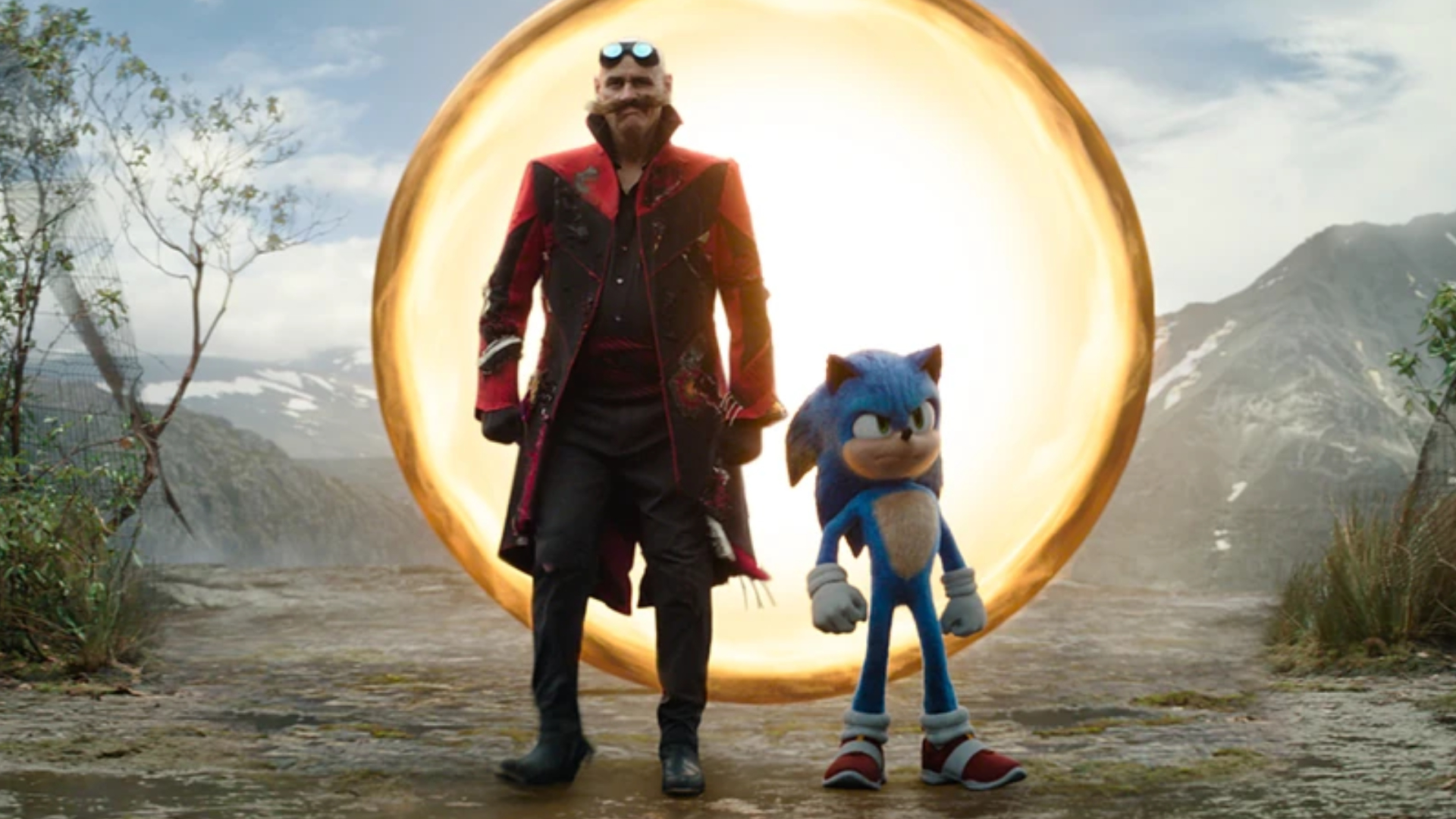
While the film’s faithfulness and respect to the source material gels with most fans of Sonic the Hedgehog, many more casual viewers who don’t follow the series’ lore as closely may find themselves wrapped up with a bit more mixed reception. The film takes the viewer straight into the action pretty quickly, and while this is beneficial to get the greater plot at hand moving along, the pacing at which it’s done can be jarring to some. I personally found that once Gerald was introduced, the film’s pacing improved significantly as it focused on the bigger picture and overarching plot rather than one thing happening after the next.
In addition, the film can struggle to pick a lane at times. Sonic Adventure 2 deals with a story that can be much more grim and serious at times. While the film is able to take its themes and plot just as serious when it needs to, the way it’s often interspersed with quips or jokes or generally any jarring switch-ups in direction might disengage the action for some and take them out of the immersion of the film’s story.
In my opinion, these frustrations come with the Sonic the Hedgehog films and always will. These are all completely valid criticisms of the film’s direction, pacing, and writing, but when the past two movies juggled their contents in a similar way, it’s hard for myself and many other fans of the series to start complaining about it now. While these elements may not strike an absolutely perfect balance even three films in, Sonic the Hedgehog 3 as a package is fun enough that I don’t personally want to bother complaining about what I felt held the film down for me. Rather, I find it nice seeing where the film series has gone since the first entry.
Around the time of the first trailer (containing the now scrapped realistic Sonic design), video game adaptations in cinema were in a more rough patch. The most well-received one I can remember from up to that point was Detective Pikachu, which funny enough gets a shout-out early on in Sonic 3. Even getting one film out of the Sonic property was like watching pigs fly, and now we’re at a point where we’ve gotten two sequels and a spin-off series on Paramount+, with a fourth film confirmed to be on the way. When that last one drops, we’ll still be seated. It’s been fascinating watching the films succeed as a pillar independent from the games, and I’ll always look forward to supporting their craft, even if a bit sloppy at times.

Sonic the Hedgehog 3 is now playing in theaters, and will release to digital platforms on January 21st, 2025.
For more Sonic content, make sure to check out our parent site, Galxy, where all episodes of the Adventures of Sonic the Hedgehog series are streaming on their very own channel!
One of the most well-known facts about the first season of Squid Game was how long the series took to get picked up. Originally conceived as a film by director Hwang Dong-hyuk, the original concept for Squid Game was being shopped around to numerous production and distribution companies over a decade before its eventual release on Netflix. As long as it had been shopped, however, the core ideas and story of the series were set in stone as one continuous story from start to finish. So when it was announced Squid Game would receive two follow-ups in the form of two more seasons, fans of the initial batch were immediately skeptical of the impact this would have on the series’ legacy. The first season felt like an uncompromised vision that came out at exactly the right time that everyone was able to both see and talk about the show. Viewership obviously wouldn’t be as high, but what of the story? Would Dong-hyuk be able to expand that much upon something he was satisfied with the conclusion of for so long?
It’s up for debate whether the new angles the second season took worked to its benefit or not. There are fresh takes on familiar concepts explored in the first season, and familiar faces to back up the exploration of plotlines both new and old that we thought we’d seen wrapped up. Personally, I thought all the new storylines explored with Seong Gi-hun and Hwang Jun-ho (Lee Jung-jae and Wi Ha-joon respectively) were fascinating and piqued my interest the majority of the time they were elaborated on.
However, I felt Jun-ho’s journey to discover the island and find the Front Man behind the game didn’t get nearly enough screen time. To the director’s credit, it’s not like Jun-ho’s main arc in the first season got an enormous amount of screen time, but the lesser amount shown there actually worked to its benefit in how it kept the mystery going at the same rate at the game. In the second season, this feels a lot more like a search than an investigation, and it doesn’t land nearly as well as it did previously. On top of that, with Gi-hun and Jun-ho meeting and planning to blow the whole case wide open so early on, it was implied the Jun-ho would play a much larger role than it felt he did by the end of the season.
On the other end of the spectrum, let’s talk about the new characters. There are over 400, after all—though veterans to the series understand only a portion of them get a focus in the grand scheme of things. Fortunately, Dong-hyuk still knows how to sell us on new players years later. There are still too many to go through all of them, but we can’t move on without giving a little bit of spotlight to Choi Su-bong, better known as Thanos.
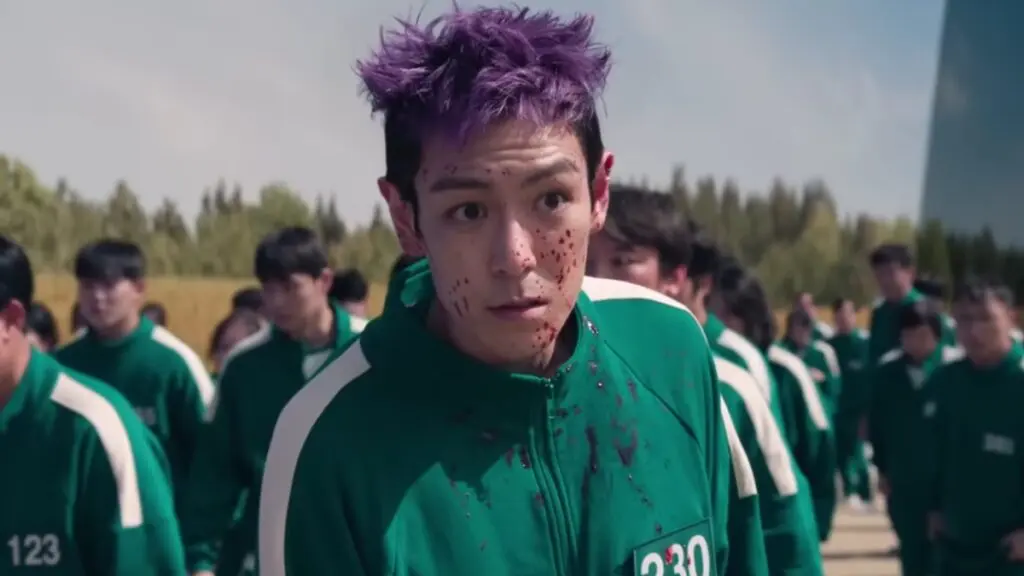
Despite his presence in the game as a generally antagonistic force who sows chaos and deceit, Thanos is pretty funny throughout the bulk of his screen time. Viewers of the series’ English dub will miss one of his main quirks, being his constant switching between speaking Korean and English. The character’s pompous bravado is a point of contention when it comes to how many viewers see him, but the reason I think it works is how well Thanos’ actor plays that portion of the role. Thanos may look familiar to those with greater knowledge on the South Korean entertainment industry, which is due to his portrayal by K-pop singer-songwriter T.O.P., a casting decision many viewers have praised. There’s an art to antagonistic characters who always seem to be up to something when they’re on screen, and the way Thanos dances around the series’ tone while doing his own thing brings a double header of comedic relief and tension to the mix.
Everyone’s standards are different, and Squid Game 2 might not hit some of its viewers the same way its initial 9-episode run did back in late 2021. However, I feel it’s definitely worth checking out for anyone who watched the first season. The director clearly still has a vision left for the series, and I’ll be seated for the final conclusion later this year (allegedly, this summer).
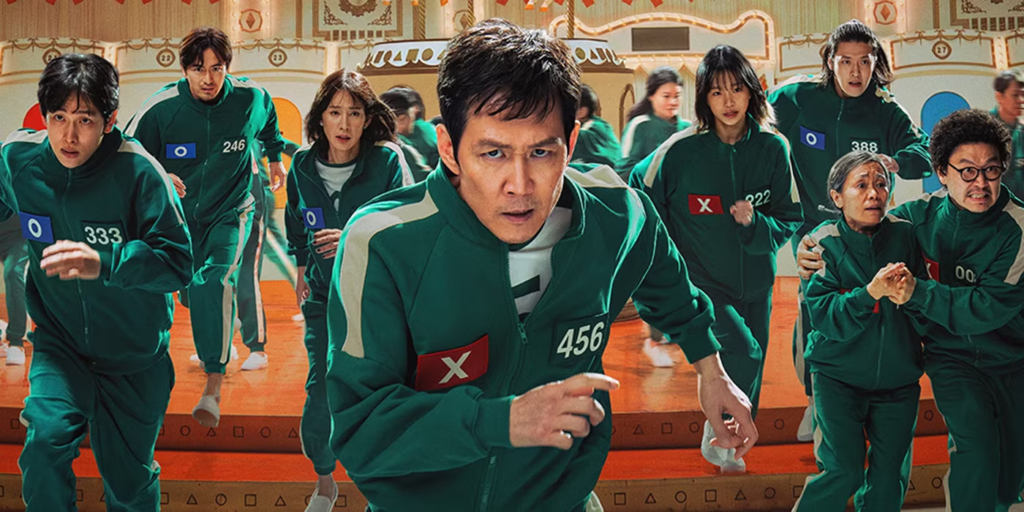
Squid Game 2 is now streaming on Netflix.
Earlier this year, Amazon began its marketing cycle for its new animated video game anthology series, Secret Level. Helmed by Tim Miller of Netflix’s Love Death + Robots, the series brought promise of original stories set in varying universes from different video games episode to episode. While some await the episode based on Firewalk’s Concord—which launched earlier this year and shut down two weeks later—or Capcom’s Mega Man to see if it is the silver lining critics have foretold, one name and its attached episode has left questions in its wake since the reveal of the series: PAC-MAN.
Yeah, him.
Challenged with not just an original story, but a complete reinterpretation of the franchise’s “mythos”, almost everyone who viewed the PAC-MAN episode was confused by its contents. This went from diehard fans new and old to even people who just knew OF the series and its titular character. The question wasn’t how this sprouted from the franchise, but why? Why do all this for seemingly no reason over a series that it wouldn’t have been much of a challenge to figure out an original story around?
And at last Thursday’s 10th annual Game Awards ceremony, we finally got our answer during the pre-show.
Yes, the reveal of PAC-MAN’s next playable endeavor turned out to be a tie-in game for the aforementioned episode of Secret Level. Or at least, that was how things seemed until a follow-up interview with Tim Miller on the episode was released following the announcement of Bandai Namco’s Shadow Labyrinth.
In an interview with Entertainment Weekly, Miller revealed that while he and the Secret Level team were given full creative control of the episode, the developers wanted to possibly point them in a direction or two by revealing sneak peeks of Shadow Labyrinth as it was made. “What they showed us was so fucked up…[i]f you gave me a million years to guess what the next PAC-MAN game would be, I wouldn’t have got there.” Miller spoke, mirroring the sentiments of what many fans would be telling themselves during the Game Awards.
The announcement didn’t leave a bad taste in fans’ mouths or come at a bad time, it was just strange to announce in the way they did. Prior to its reveal, those involved with the Secret Level episode such as the protagonist’s voice actor Aleks Le claimed it was an original reinterpretation of the original game. And now that Shadow Labyrinth is out in the open, those involved claim it was actually the other way around. Those watching the Game Awards weren’t sure what to expect until Puck showed up on screen (or maybe Pooka and its iconic explosion sound effect from Dig-Dug). However, those watching Secret Level for the yellow circle knew what was coming the moment the Bandai Namco logo preceded the specific environment the reveal began with. What was perhaps stranger was Bandai Namco’s following announcement for a Netflix Games exclusive (???) from the creator of SEGA’s Shenmue and Virtua Fighter series, but that’s a topic for another day.

Amazon’s Secret Level launched on December 10th with its first eight episodes, and today is slated to release its final seven including those mentioned above, as well as ones based on games such as Spelunky, The Outer Worlds, and Honor of Kings.
Secret Level is now streaming on Amazon Prime Video.
Get Some Strange!