
By J. Nagle
From the first season of The Rehearsal, Nathan Fielder has consistently shown his fearlessness of blending reality with the uncanny and unconventional. However, in the second season of the comedian’s HBO docu-dramedy, Fielder discovers and explores his own fears in regards to a critical flaw he believes he has discovered in America’s aviation industry, making great use of the show’s budget where applicable.
In something of a freak coincidence, the April trailer announcing this “storyline” from the show lined up with a series of fatal aviation accidents in the United States, despite the season’s lengthy production timeline that extends well before most of the recent accidents publicized by the media this year. While the first season of The Rehearsal had a tendency to focus more on issues pertaining to the private lives of individuals, this new season demonstrates a broader focus on how investigating miscommunications between airplane pilots could save the lives of countless people aboard. In the first episode, Nathan makes it very clear to both former NTSB member John Goglia and the audience that HBO has given him the reach, financially and legally, to invest in this objective as much as is needed. In just six episodes, we see Fielder undergo a complete transformation of self and career in an attempt to change the entire process of piloting industry-wide, no matter what it takes.
While his style of helping countless individuals began life on Paramount’s Comedy Central network with Nathan For You, HBO is where Fielder finds his footing when tackling issues from a more cinematic and artistic perspective. No matter how trustworthy, eccentric, bland, or mundane any given person seems in the grand scheme of The Rehearsal, Nathan’s direction demonstrates this unique understanding of the human form that he fittingly explains the calculation of in its finale, as well as through subsequent episodes hinting at this. Fielder seems to take a “butterfly effect” approach to staging events and opportunities prior to their reality, where every single factor plays a part and even the slightest deviation from the reality of the situation could bring the whole experience into jeopardy on both ends.
It would be a disservice to just call The Rehearsal a work of comedy. With how many moving pieces and how much research is done just for a single episode of the series, it’s incredible that Nathan Fielder seems to have crafted a world of his own that, in reality, is simply the same to which we live in. The new season’s highs are breathtaking, and even its lows feel deliberately designed to land in the uncanny field that Fielder continues to excel at.
Season 2 of Nathan Fielder’s The Rehearsal is now streaming on Max.
by J. Nagle
Whether through Jack Black’s musical talents or his line deliveries—namely one of a combative avian variety—anyone keeping up with the theatrical release space has surely heard of the celebratory crowds of A Minecraft Movie screenings by now. Buying tickets to a showing of the film felt like a gamble from the start, never knowing whether the crowd would be respectful or start slinging whole buckets and even bags of popcorn around the theater. There was a point in the film’s “CHICKEN JOCKEY” online stardom in which a few of those in attendance brought a LIVE chicken to prop up during the scene, sitting on another’s shoulders as to mimic the telltale Chicken Jockey formation.
Though, most are aware this trend and borderline guerilla marketing campaign has already gone too far in a few places. For those unlucky enough to book a screening with most of these instigating fans, any amount of popcorn, soda, and other theater concessions could fly right onto them by a rowdy crowd, as was reported by user @conniedefc0n via @HollywoodHandle on X.
A theater full of cheering cinemagoers is far from a new concept, but Jared Hess’ A Minecraft Movie has breathed life into the execution in a way that will be hard for any other release to compete with. As an idea, chanting the names of various Minecraft blocks, items, and features alongside Jack Black with others in the theater can inevitably lead to some level of hilarity. I went to go see the film twice, and while the crowd did expectantly quote many of the mentioned lines, everyone was very physically and audibly respectful overall. I firmly believe most of the Minecraft movie screenings have not been forced to cease playback at the hands of the above “CHICKEN JOCKEY” scene, with most of the film’s reputation in theaters coming from a small but loud number of bad apples. This was my most fun theater experience since another video game adaptation, Five Nights at Freddy’s, back in October of 2023. Many showed up in costume, cheering like it was a Marvel movie every time something from the series was named. Though, there were no food or drinks flying, and some unaffiliated ticketholders even chatted with each other following the film’s conclusion. This specific connection, disassociated from everything shown of the worst A Minecraft Movie screenings online, is something I feel is essential to theater experience of films just like it. That sense of community is what made some of these people as big of fans of these series as they turned out to be, something that should be embraced on its own.
Warner Bros. clearly understands it has a hit on its hands with A Minecraft Movie, with executives reported to be fast-tracking a sequel right now as the film crosses the $720 million mark in box office revenue. If you want to see the film still but have been a bit put off by the tens of videos of crowd uproar, don’t let that deter you from seeing it in the comfort of a theater now that the more physical buzz has died down.
A Minecraft Movie is now playing in theaters worldwide.
by J. Nagle
Today, it was announced that Wes Anderson’s new film The Phoenician Scheme would be releasing just under two months from now, in late May. We had previously reported the development of Anderson’s film preceding the release of Asteroid City in July of 2023, during which we covered the rumored casting of Michael Cera, Benicio del Toro, and Jeffrey Goldblum. With the trailer released today by Focus Features, the casting of both Cera and del Toro have been confirmed with both actors in leading roles. However, no casting has yet been announced for Goldblum, if any. Linked below is the trailer for The Phoenician Scheme starring Benicio del Toro, Mia Threapleton, Michael Cera, Tom Hanks, Bill Murray, and Scarlet Johansson among many others in one of Wes’ classic ensemble casts.
Wes has stated the film had been written prior to the release of his previous film Asteroid City (2023), with filming later taking place between March and June of 2024. The film notably foregoes a widescreen aspect ratio, as its contents were shot using 35mm film.
The Phoenician Scheme releases in theaters on May 30th, 2025.
by J. Nagle
For as many grievances as can be aired with its UI, Apple TV+ has been fairly consistent in producing some hit programming that gets people talking. Historically, series like Silo and Ted Lasso have made waves online for their ambition and unique charm, as well as the recent line of Peanuts animated programming produced by the service. Going into 2025, what’s gotten people talking is Severance, a series that ironically was an early 2022 release. However, the second season premiered this past January to the same widespread acclaim that got people talking in the first place.
What immediately grabbed me about Severance is its diving head-first into as many genres as it seems to tackle. At once, the show resembles a dark workplace comedy, a psychological drama-thriller, and a science fiction dystopia in its demeanor. As quirky and eccentric as its main characters and settings can be in nature right from the get-go, each moment the viewer spends with them plants subtle seeds for the more layered writing the show gets to as its seasons progress. Mark Scout’s (Adam Scott) prying nature eventually leads to his unraveling of what really goes on behind the scenes at Lumon, though similar attempts through the more direct nature of Irving Bailiff (John Turturro) later leads to his termination at the company. In his absence, however, the show focuses on his outie’s recurring confrontations with Burt Goodman (Christopher Walken), still employed at the company and giving cryptic hints as to how he got an in.
A lot of what surprised me about the show is its inherent comedic elements being balanced out and sometimes overpowered by such an emotionally loaded story. The show is primarily directed by Ben Stiller, an actor and filmmaker commonly known for his comedic work in both roles, whether you’re a fan of Night at the Museum or more of a Zoolander person. The lead, Mark Scout, is portrayed by Adam Scott, primarily known for his own comedic roles as well, in shows such as Parks and Recreation and The Good Place. However, taking on a series with a more serious lens, both Stiller and Scott find themselves in one of the most unique shows on television right now, and one of the highlights of both of their careers.
Severance was swiftly renewed for a third season following the premiere of its second season finale, teased by Stiller and swiftly confirmed by Tim Cook, head of Apple, on X later in the night. No one knows what to expect—especially following the haymaker that was the finale itself—but Stiller has promised fans that the third season of the series will not take nearly as long to launch. The season finale of Severance currently sits at an astonishing 9.6/10 on IMDb, joining the season one finale of Dexter and the series finale of The Good Place.

Season 2 of Severance is now streaming on Apple TV+.
by J. Nagle
Celebrated award-winning actor Gene Hackman was reported to have passed away on Wednesday, February 28th. His filmography is vast, having been best known for playing the titular lead role in Wes Anderson’s The Royal Tenenbaums (2001) as well as Harry Caul in Francis Ford Coppola’s The Conversation (1974).
Before his tenure as an actor, Hackman enlisted in the Marines at an early age of which he served for approximately five years. Another five years following his discharge from the unit would bring him into the acting field, finding his earliest roles in series and films such as The United States Steel Hour and Mad Dog Coll respectively. Following an extremely successful run of Any Wednesday on Broadway in 1964, Hackman would find his biggest role yet in Robert Rossen’s Lilith later that year.

The 1970s brought some of Hackman’s most memorable roles yet. Classic performances such as the Blind Man in Mel Brooks’ Young Frankenstein, as well as starring alongside Al Pacino in Scarecrow (1973). which Hackman has cited as his personal favorite. However, his most important role this decade was his lead role of Popeye in William Friedkin’s The French Connection, which would catapult Hackman further into the spotlight. While not his first nomination at the award show, Gene Hackman’s work in the film would net him his first ever win at the 44th annual Academy Awards, taking home the title of Best Actor.
Hackman would go on to live an honorable career for many more years until his retirement from the scene in 2004. Following his retirement, he would go on to write several novels as well as narrate for a few television documentaries.
The report estimates Hackman to have passed away around February 18th, approximately a week following the passing of his wife to HPS. Hackman is survived by his three children, Christopher Allen, Leslie Anne, and Elizabeth Jean.
On Sunday night, Conan O’Brien hosted the 97th Annual Academy Awards—also known as the Oscars—bringing us one ceremony closer to the show’s centennial celebration. We can focus on the show’s future another day, though, as last night was all about celebrating the films that made our 2024 in cinema so memorable. In spite of whatever omissions or snubs may be rattled off online, much of last night’s show was dedicated to those who poured blood, sweat, and tears into their productions and performances. Film as a medium is a team effort, and many winners’ speeches made more apparent than ever that even if someone doesn’t win at the Oscars, their efforts were far from unnoticed. Here are the list of
Best Picture
- Anora (Sean Baker)
Best Director
- Sean Baker (Anora)
Best Actor
- Adrien Brody (as László Tóth in The Brutalist)
Best Actress
- Mikey Madison (as the titular role in Anora)
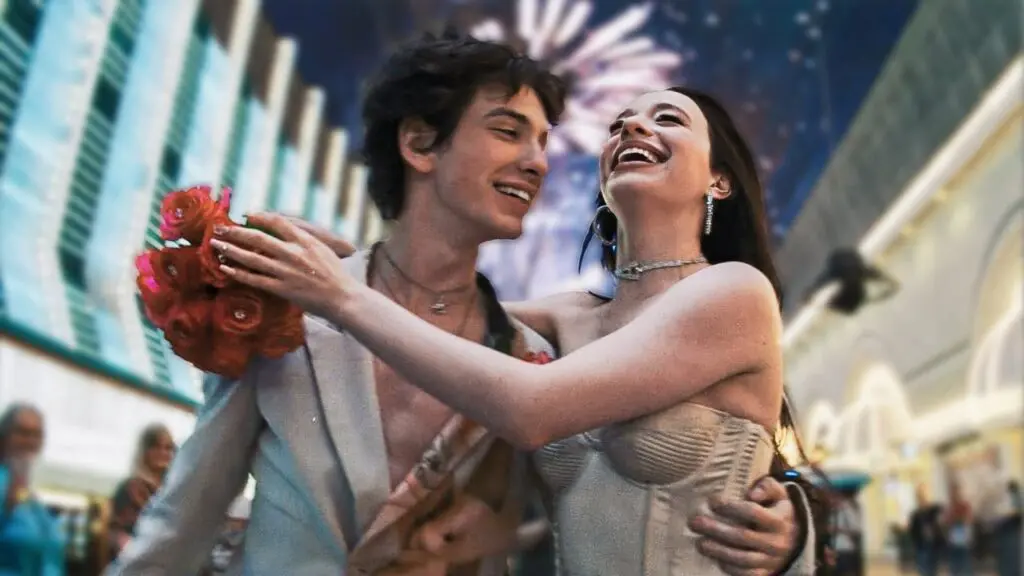
Best Supporting Actor
- Kieran Culkin (as Benjamin Kaplan in A Real Pain)
Best Supporting Actress
- Zoe Saldaña (as Rita Mora Castro in Emilia Pérez)
Best Original Screenplay
- Sean Baker (Anora)
Best Adapted Screenplay
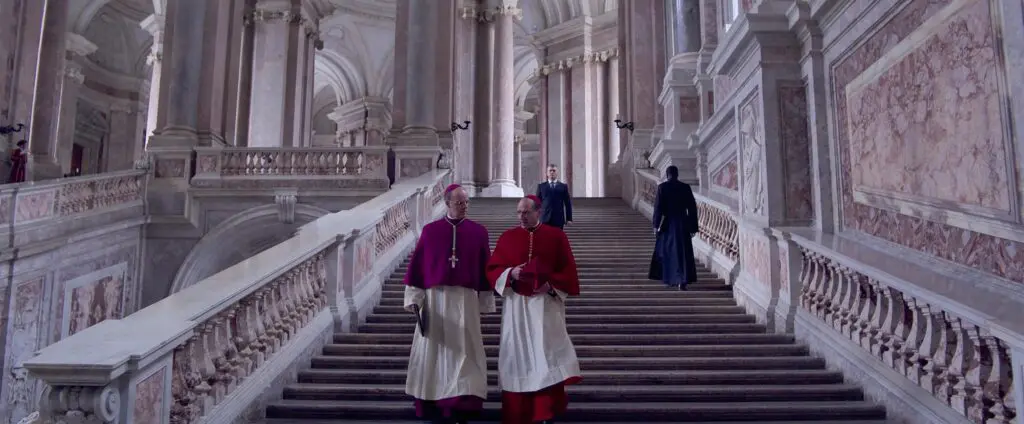
- Peter Straughan (Conclave, original story by Robert Harris)
Best Animated Feature
- Flow
Best International Feature Film
- I’m Still Here (Brazil)
Best Documentary Feature Film
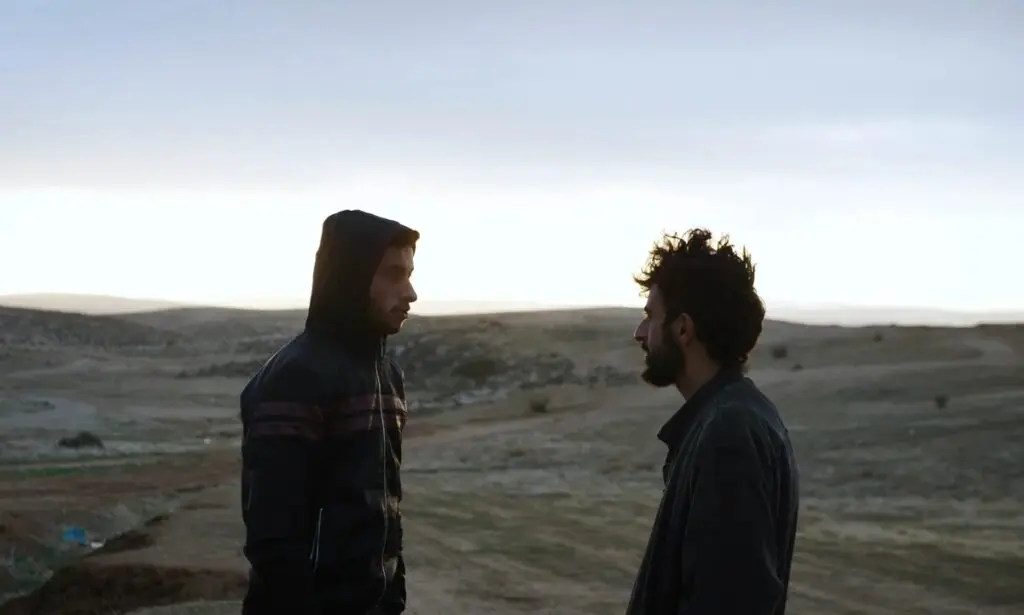
- No Other Land
Best Documentary Short Film
- The Only Girl in the Orchestra
Best Live Action Short Film
- I’m Not a Robot
Best Animated Short Film
- In the Shadow of the Cypress
Best Original Score
- The Brutalist (Daniel Blumberg)
Best Original Song
- “El Mal” from Emilia Pérez (Clément Ducol, Camille, Jacques Audiard)

Best Sound
- Dune: Part Two (Gareth John, Richard King, Ron Bartlett, Doug Hemphill)
Best Production Design
- Wicked (Nathan Crowley & Lee Sandales)
Best Cinematography
- The Brutalist (Lauren “Lol” Crawley)
Best Makeup and Hairstyling
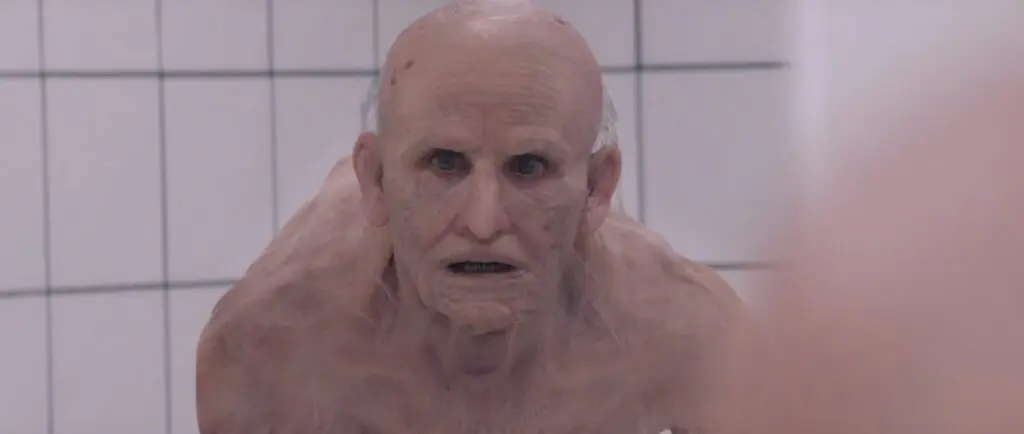
- The Substance (Pierre-Oliver Persin, Stéphanie Guillon, Marilyne Scarselli)
Best Costume Design
- Wicked (Paul Tazewell)
Best Film Editing
- Anora (Sean Baker)
Best Visual Effects
- Dune: Part Two (Paul Lambert, Stephen James, Rhys Salcombe, Gerd Nefzer)
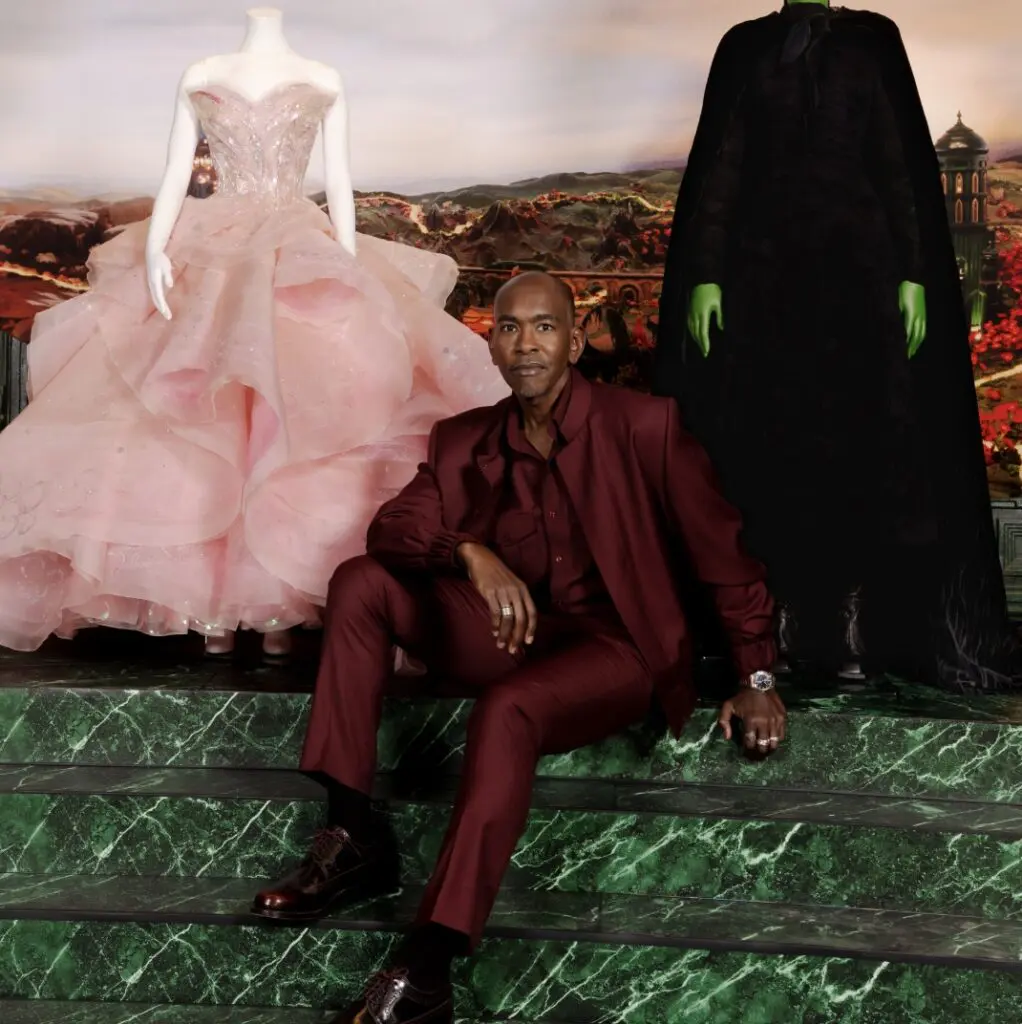
The 97th annual Academy Awards was filled with tons of surprises from head to toe. Sean Baker and Anora‘s overwhelming lead with five wins was absolutely electric, with Baker making history as the first director in the show’s history to win four awards for the same film. In addition, Baker is the first filmmaker since Walt Disney—71 years ago—to win this many Academy Awards in one ceremony. More history was made in Paul Tazewell’s win in the Costume Design category, making him the first African-American costume designer to win the award.
Whether the acceptance speeches were long as Adrien Brody’s, heartfelt as Mikey Madison’s, or inspiring as the team behind Flow‘s, we here at Don’t Tell thoroughly enjoyed the ceremony as always. The future of cinemagoing is bright as new waves of creators are discovered each and every month, with new experiences cooking at any given moment. We’ll be sure to cover as much as we can in our reviews section, so make sure to stick around in case any are nominated for the 98th Academy Awards next year!
Get Some Strange!