





This month on our sister site Galxy, we’ve got a brand new slate of movies for all our readers (and viewers) to check out, spotlighted from April 1st. No tricks here, as our lineup is headed by an Easter holiday special, Jesus Christ Vampire Hunter, among heartwarming stories like Nargesi and the classic Brief Encounter. Here’s our full list!
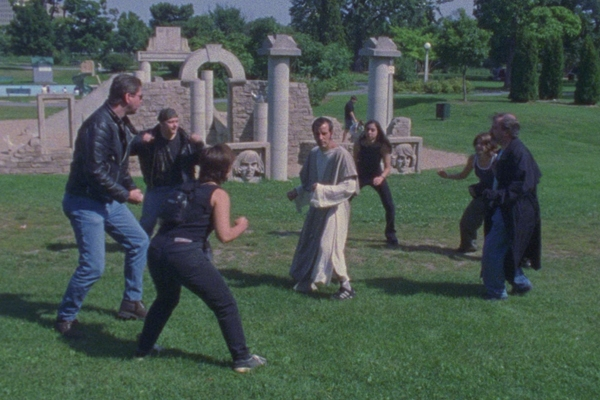
Jesus Christ Vampire Hunter
The 2001 Canadian cult classic explores a horde of vampires terrorizing Ottawa—but this time, they can take the heat of daytime! Calling upon the lord (Phil Caracas) to be their savior, the people of Canada put their faith in their last resort against the vampiric hordes. Joining forces with wrestlers, superheroes, and Mary Magnum (Maria Moulton), Jesus Christ seeks out every sinful vampire he can in this fast-paced horror black comedy.
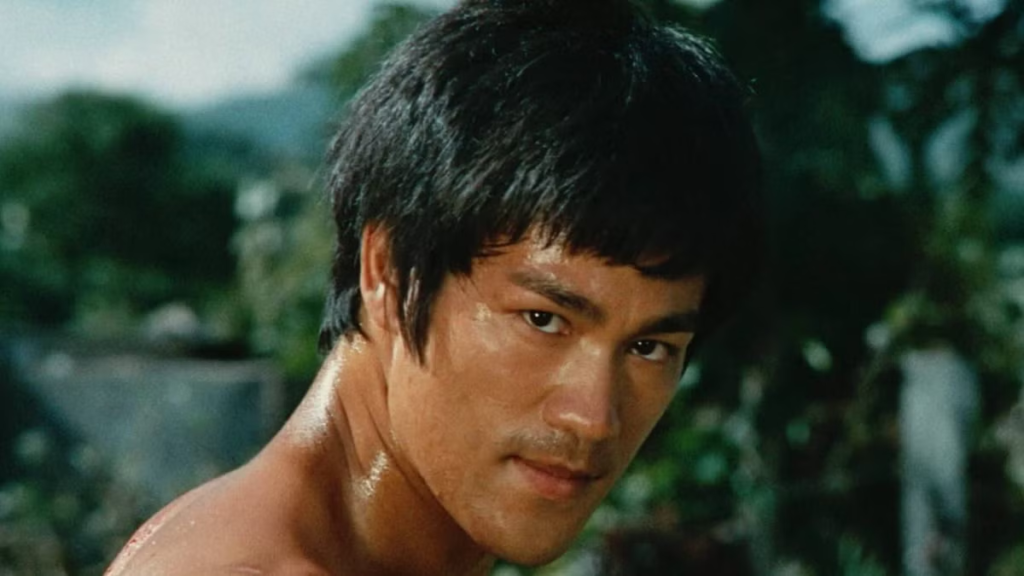
The Big Boss
Better known over in the states as Fists of Fury, this film stars Bruce Lee in what was at the time his biggest role yet as Chen Zhen. When he and his family reunite in Thailand after he departs from China, Zhen swears not to fight anymore. However, when his workplace turns on him in a shockingly gruesome manner, he returns to his combative ways in an effort to avenge the ones he loves.
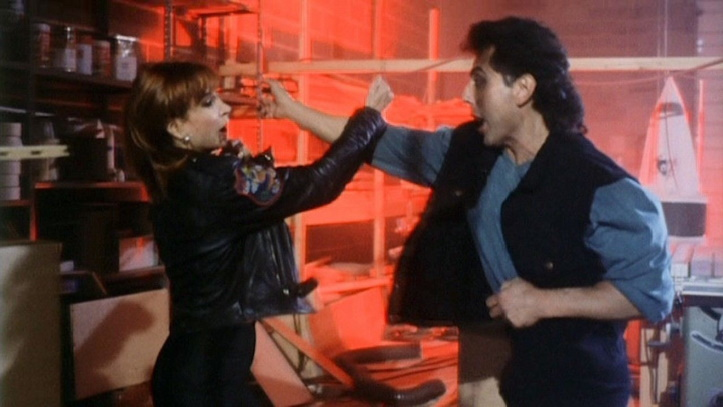
Undefeatable
In this Hong Kong martial arts film directed by Godrey Ho, Kristi Jones (Cynthia Rothrock) often gets in street fights with her gang to bring home money for her sister’s education. When her sister doesn’t come back one day, Jones teams up with police detective Nick DiMarco (John Miller) along with his partner and her sister’s tutor to get justice.
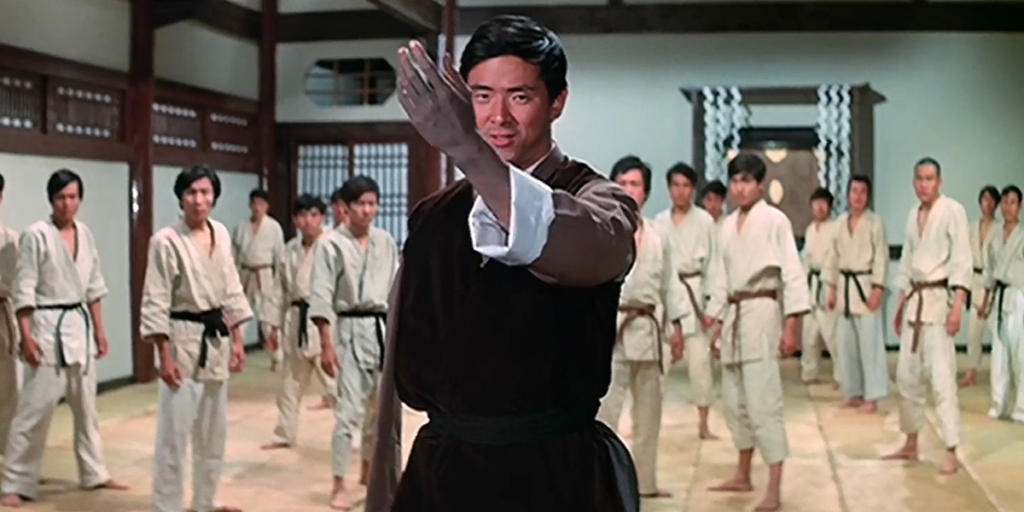
One-Armed Boxer
After fighter Yu Tien Lung’s (Wang Yu) school is ambushed by a gang, he loses his right arm in the damage done to the property. Though, his resolve does not falter in the slightest. Instead, he chooses to train his remaining arm harder than ever before, increasing the concentration and focus he stresses on the side of his body that now yearns to fight more than ever.
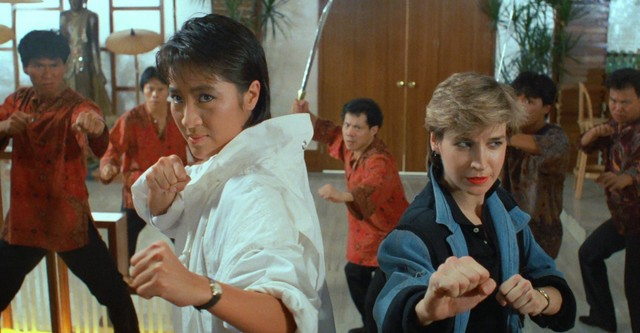
Yes, Madam!
Cynthia Rothrock is back, starring as Inspector Carrie alongside Michelle Yeoh as Senior Inspector Ng. When a few burglars loot the wrong hotel room, it’s up to Carrie and Ng to catch up to them and retrieve a stolen microfilm. This was Rothrock’s debut role, and Yeoh’s first major role in a feature film!

Operation Luchador
In this war dramedy mockumentary, L’Ange Doré (Carlos Valderrama) is recruited by the U.S. during World War II to sniff out and snuff out Nazi spies, his unconventional warfare strategies even bringing him face to face with the commander of the Third Reich himself, Adolf Hitler.

The Four Feathers
Based on the 1902 adventure novel of the same name, The Four Feathers follows soldier Harry Faversham (John Clements) following his resignation from his troop’s impending expedition to Sudan. Sent feathers by his peers as a show of cowardice and dishonor, Faversham goes undercover as a native and later saves his troop captain in an attempt to rebuild his reputation.

Brief Encounter
In this rare romantic tragedy from 1945, the meeting of two strangers on a train played by Celia Johnson and Trevor Howard makes more of a splash in both of their lives than either would have anticipated. Following an increased volume of visits between the two after the train ride, they must weigh their options. Is the impact both have on each others’ lives worth the way their changed lives affect those they care about?

Nargesi
Nargesi is the heartwarming story of an Iranian man’s quest to find love and, his willingness to try nearly everything in that pursuit. The world, however, does not seem to have a place for him until a gift completely turns his life around.

GUNHED
In the not-so-distant cyberpunk future, a scavenger team travels to the site of a former killer AI called Kyron-5 to harvest its technology. This film makes brilliant use of practical effects to immerse you in its world, stakes, and characters. Will any of the scavengers make it off Kyron’s island alive without the GUNHED units to save them from Kyron one last time?
Plan Z
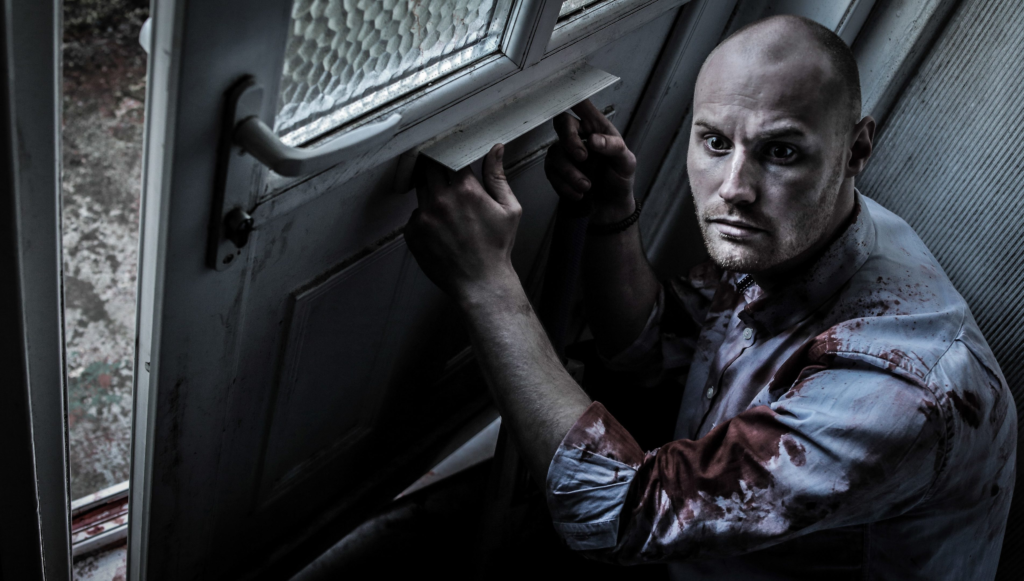
After a zombie outbreak has ravaged the world, a photographer named Craig (Stuart Brennan) has a plan to fight it off. Complete with the director, producer, and writer in the starring role, this low-budget UK zombie flick is the star example of a passion project in the genre.
These spotlighted films for the month of April can all be viewed now on Galxy. Safe travels!
Creatively, many have had their doubts with Pixar’s output throughout the 2020’s. I personally fell in love with Soul, and remember Luca having its following around when it released. Though, the wider majority of their original releases this decade haven’t had the best reputation. Turning Red often serves as the talking point many bring up when trying to pinpoint a definitive downturn, though I personally feel Lightyear was the beginning of the studio having a harder time gathering an audience. The studio often swapped between releasing 1-2 movies a year, but since Lightyear underperforming they’ve kept it strictly to once a year. This change in timeframe makes their fans hope for a more focused production pipeline and more developed narratives/animation as a result, and while Elemental was a success commercially, the studio went back to underperforming with last year’s Elio. Now, though, it seems Pixar is onto something again both critically AND commercially with Daniel Chong’s Hoppers.
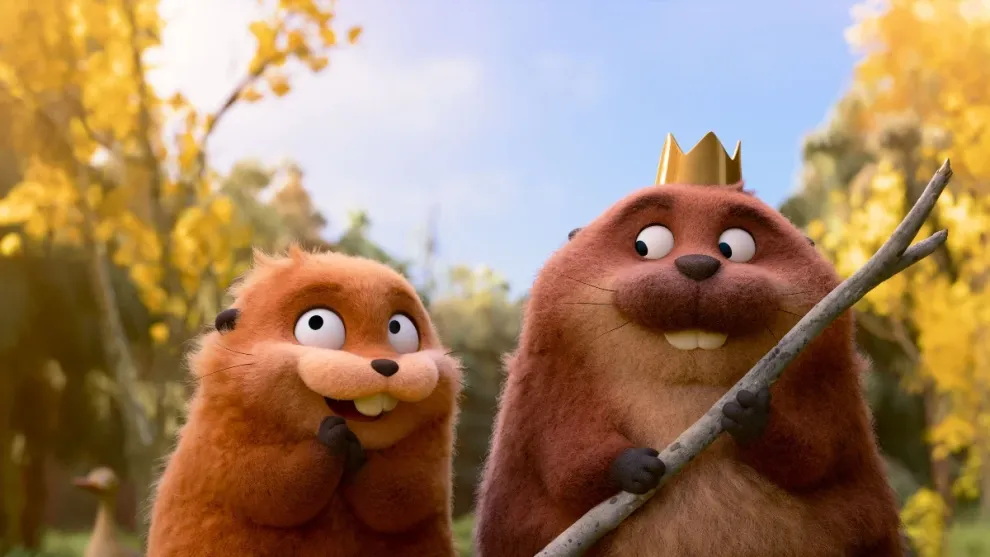
Since the broadcast of Cartoon Network’s We Bare Bears and its prequel series, those following animation have known Daniel Chong knows his way around a talking animal or two (or three—there are three bears). Talking animals have long been a staple of animated features, especially for Disney, with talking critters even getting nominated for Academy Awards as recent as Dreamworks’ The Wild Robot. Hoppers does have similar pacing and plot beats to The Wild Robot, but clearly dances to the beat of a different drummer. While Roz successfully integrates herself into nature and serves as an orphaned duck’s mother in the heartwarming Dreamworks film, Hoppers chronicles Mabel Tanaka’s journey as she tries to do the same thing, shaking up all nature’s means of production in the process.
The chaos that snowballs in Hoppers keeps the film engaging from start to finish. Mabel being introduced as a rebellious, unruly girl passionate about nature sets the perfect tone for how the tale will unfold, but even then the film surprises you in ways I haven’t seen a Pixar film do in a while, maybe ever. The way the meeting with “the council” of the animal kingdoms unfurls is a beautiful example of all the film’s moving parts, and that’s all I can say without major spoilers.
The fast-paced chases throughout ponds and pines reminded me of The Son of Bigfoot, a title you can watch on our sister website Galxy. The kinship Mabel feels with nature also feels similar, a passion so infectious the viewer wants her to get everything she wanted and more. While the film does sway away from what a full win for Mabel would be, rumors from a while back suggested this was how the film originally was meant to end before studio intervention. However, director Daniel Chong insists Hoppers still gets its point across in its final form. In said final form, I found a movie that was at once cute, emotional, silly, and confident. I highly recommend it to anyone interested, as it’s one of the first movies of the year I can tell will be an Academy Award contender in at least one category.
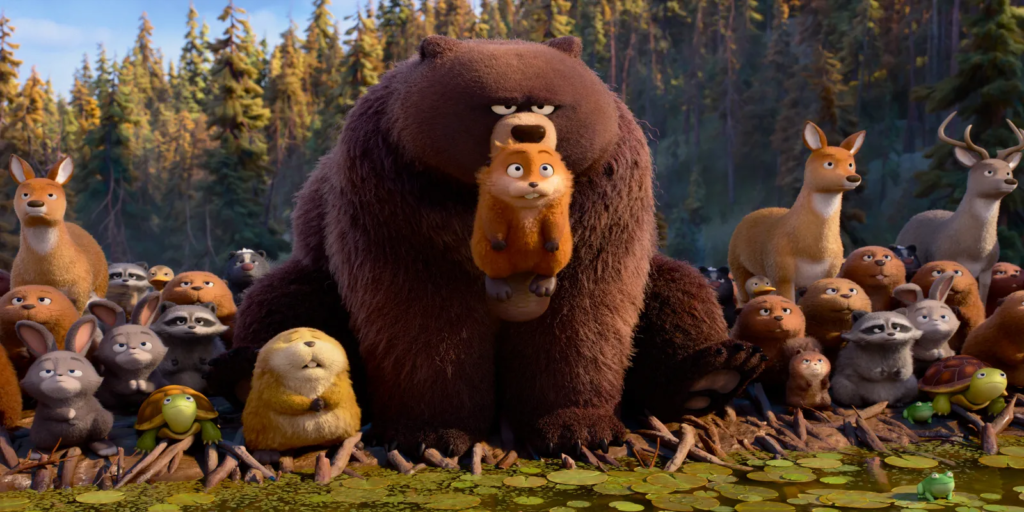
Hoppers is now playing in theaters worldwide. If you like films about humanity mixing with nature, make sure to check out The Son of Bigfoot on our sister site, Galxy!
Nirvanna the Band the Show is a mouthful on its own, and not a name most based in America would be familiar with. For those up north, though, Nirvanna the Band is a comedy mockumentary series following Matt and Jay, two fictionalized versions of the show’s creators, fruitlessly trying to score a gig at a nearby bar, the Rivoli, despite their lack of a musical catalog.
The premise is so simple to understand that it blindsides almost every new viewer with the execution. From an early point in the series’ history, it seems “how did they do that?” could be a common question used to describe any number of Matt and Jay’s escapades, being filmed in public with only the two having the knowledge of their personas and scripts. Every interaction feels so authentic, with the way the characters interact with the world around them that much more grounded in reality as a result. So it’s no surprise that the series’ creators must be pretty sick of the same question being asked of Nirvanna the Band the Show the Movie, although my first question leaving the theater was indeed wondering how any of this film was shot.
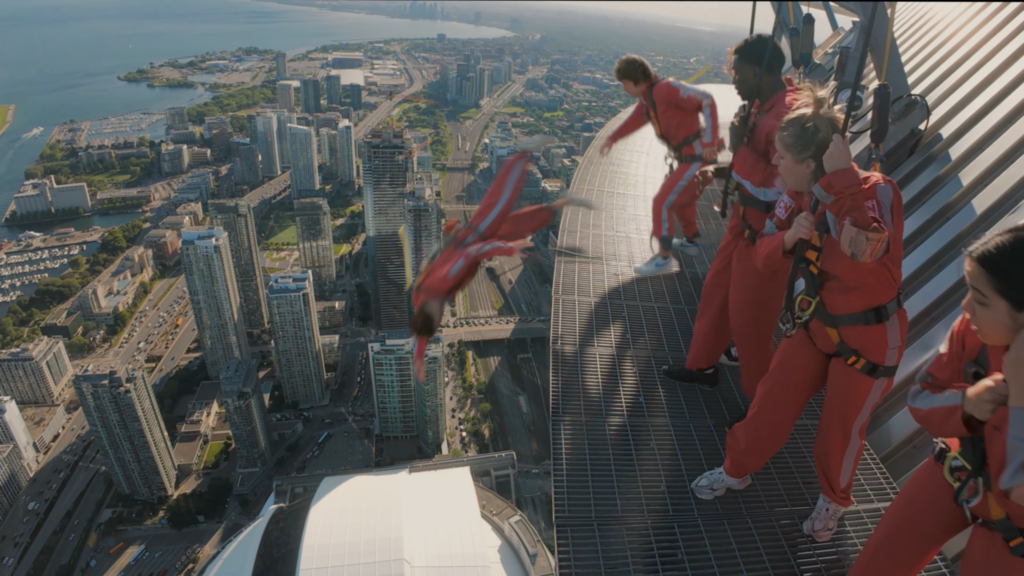
And shooting aside, the amount of references, allusions, and loving tributes paid throughout the film must have made for, as Matt Johnson puts it in a clip, “a copyright nightmare.” The name drops are all over the place, too, whether as well-known as a series like Back to the Future or the obscure Orbitz drink discontinued in 1999, a cornerstone of Nirvanna the Band’s shtick. Matt Johnson’s previous film BlackBerry chronicling the titular line of cell phones had a much wider draw, while NTBTSTM feels so niche and specific comedically and artistically, and yet so fresh as a result. There’s so much context that would make the experience even better going in—I myself have been watching the whole of Matt and Jay’s original webseries and Viceland series following the screening I went to. However, the movie doesn’t shut you out if you’ve never heard of Nirvanna the Band before, in fact, I recommend you see it that very same way. The movie serves as both a fleshed-out introduction and an all-too convincing tale of two friends’ chemistry remaining after nearly 20 years.
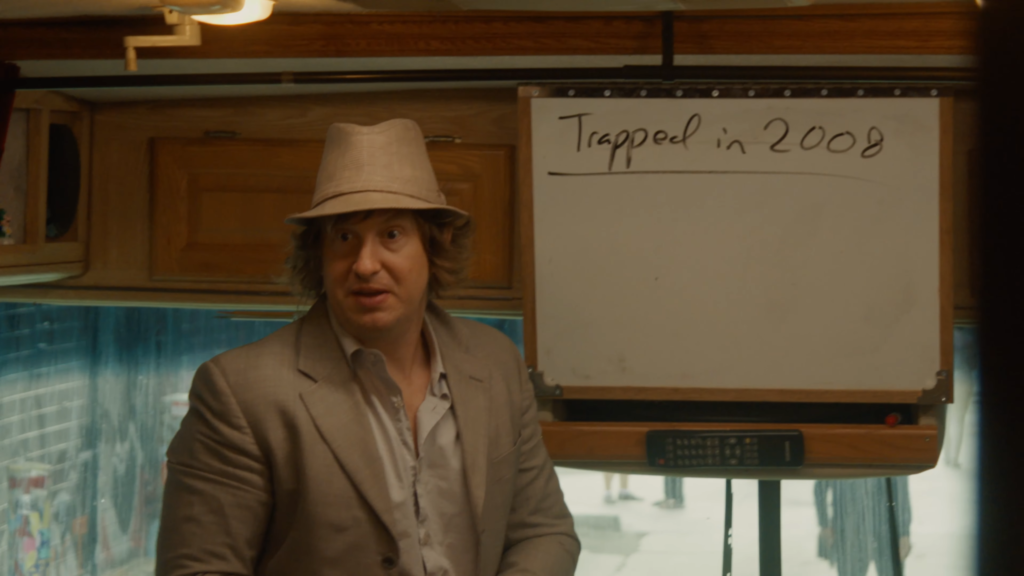
The lengths taken in this film to make the audience suspend their disbelief and feel the time travel elements work are astounding. The cameras used have authentic grain all throughout the period, with the Toronto the band has known having transformed into a place where emo is alive and well and convicted former comedians still headline the newspapers. Matt and Jay’s minds move a million miles an hour as they realize the situation they’ve gotten themselves into, and the audience is along for the ride as they experience the chaotic search for a solution in real time. The comedic interactions between Matt, Jay, Matt, Jay, Matt, and Jay kept me glued to the screen, as any generation of their mixed-and-matched banter has this earnest feeling to it. Despite how unsolvable and frantic their situation seems, the moments of pause they take to riff against newer or older versions of themselves is charming and puzzling—though again, in a good way. A way that makes you wonder whether they had plans for this movie when shooting old footage of themselves, or if they sold their souls to an omnipotent being in exchange for a work ethic I haven’t seen any other filmmaker utilize the way they have in NTBTSTM.
Nirvanna the Band the Show the Movie is still in theaters nationwide. Please go out and see it, whether 5 miles away or 20.
As a bit of meta-commentary here, we first added the entry for Kane Parsons’ Backrooms to this site in June of 2023. Now, over three years after the film’s reveal, we finally have our first visual on what to expect. Though, for those familiar with the Backrooms as a concept, this plain poster is everything we’ve come to expect.
To anyone with better things to do, this poster seems like an MTA advertisement printed without text. To those in the know, however, this is the unmistakable yellowed hue of the walls of the original Backrooms image. All that’s missing is the hum of fluorescent lights above and the stink of old carpet. While Spy Kids 4D took the smell-o-vision with it, we may just yet have a first look at the former as soon as tomorrow.
“> tomorrow”, A24 captions the poster on their Twitter account, linking to an external webpage—backrooms.mov—where those linked will find an adhesive version of the poster for purchase. While the tweet’s context is left ambiguous, the release date of May 29th very heavily implies we will see at least our first teaser trailer for the film tomorrow, a little over three months ahead of release.
Parsons’ final upload to his YouTube channel was a little over a year ago, fittingly with another video in his Backrooms webseries. However, the series is unconfirmed to have any links to the A24 film. The two could be set in two different universes, or be two different accounts of the titular location. Only time can tell, and it won’t be long now until we see Kane Parsons’ new vision for the internet’s favorite liminal space.
Backrooms has many big names attached, with producers such as James Wan of Saw, director Shawn Levy, and Dan Levine of Arrival. In the acting department, Chiwetel Ejiofor and Renate Reinsve will star in currently undisclosed roles. Ejiofor recently reprised his role as Mordo in the Marvel Cinematic Universe, and Reinsve is currently up for an Oscar for her performance in Joachim Trier’s Sentimental Value.
Kane Parsons’ Backrooms is in theaters May 29th, 2026.
Jujutsu Kaisen: The Culling Game Part 1 has finished airing its seventh episode, and with it has taken a two-week break before the premiere of the eighth. Having waited over two years for the long-awaited continuation and evolution of the series’ story, most fans of Jujutsu Kaisen were quick to jump back in either with the individual episodes’ premieres or the Shibuya Incident compilation film in theaters. Though, a new season of the show also invites new viewers to catch up on the story with all that’s released so far before this new season concludes, presumably sometime in April or May assuming this cour contains around 13 episodes. I’m one of these new faces to the series—though my friends did put on Jujutsu Kaisen 0 in the background once when we hung out—and I’m glad to finally be in the know on what about this series makes people come back for more.

Jujutsu Kaisen doesn’t hit the ground running in the first season with how layered its writing and fight scenes later become, but this feels like a strategic way of showrunning in hindsight. A majority of the characters viewers will be drawn to are introduced or alluded to in the first season and early in the second season, letting us get attached before every single one of them are subjected to cosmic-level horrors that leave the streets bathed in blood. The main protagonist Yuji Itadori is a character that especially surprised me in this regard; Itadori starts off a bit clumsy and goofy, but the later events of the show forcing him to take agency and own what he’s become as a jujutsu sorcerer really struck a chord with me. I also find myself drawn to Toge Inumaki, one of Yuji’s upperclassmen who speaks only in rice ball ingredients to conceal his cursed speech abilities.

Later bits of the show have these really effective moments of quiet that make the viewer feel as vulnerable as the human lives at stake in the series. However, moments of loud, violent chaos are always justified, accompanied by some of the most gorgeous fight scene work I’ve seen in a modern anime (though somehow I’ll still find a way to plug the Ranma 1/2 reboot here). The amount of passion put forth in the animation, voice work, and characterization during these segments always gives this invigorating feeling where I want to root for someone to win that much more, and if they lose? That’s where those moments of quiet seep back in, to make things feel as hopeless and bleak as the antagonists make it out to be.
The passion goes both ways. The following Jujutsu Kaisen has grown this decade has been unlike anything I’ve seen in recent memory, an infectious energy with absolutely electric momentum that keeps you watching until your team’s on their last breath. The exposition can get a little wordy, so it’s important to keep your eyes glued and not miss one bit. In a little while, you’ll find yourself in the midst of the Shibuya incident with the team, questioning just where things will go from here. The Culling Game itself is great so far, it reminds me a lot of the World Martial Arts Tournament from Dragon Ball, though closer to the instances Cell and King Piccolo held. If this part of the Culling Game ends with the same ferocious passion both last season and that arc of Dragon Ball had, we’re in for some great TV this spring.

Jujutsu Kaisen – The Culling Game: Part 1 is now available to stream on Crunchyroll.
Hello everybody, and thank you for even just CLICKING on this article about Iron Lung and its director Mark Fischbach’s success in spite of the system placed before him.
David Syzmanski’s game the film adapts is similarly a self-produced venture, even self-published by Syzmanski on the Steam storefront. There’s something that feels right, that feels full-circle about the film taking a similar approach to its own distribution. No big names or studios were attached to Fischbach’s Iron Lung from pre-production to release, and it shows from the moment the film begins. No vanity cards or companies precede the start of the film, its contents are an uncompromised effort from Mark to pay loving tribute to the indie game. The set of the Iron Lung submarine itself is essentially a one-to-one recreation of its appearance in-game. The film taking place entirely within its confines with one observant, stir-crazy convict makes it feel like a bottle movie along the likes of Hitchcock’s Rear Window. The raw creative control and passion displayed onscreen is palpable and made for the main reason I went to go see the film, and that’s what this article is really about.
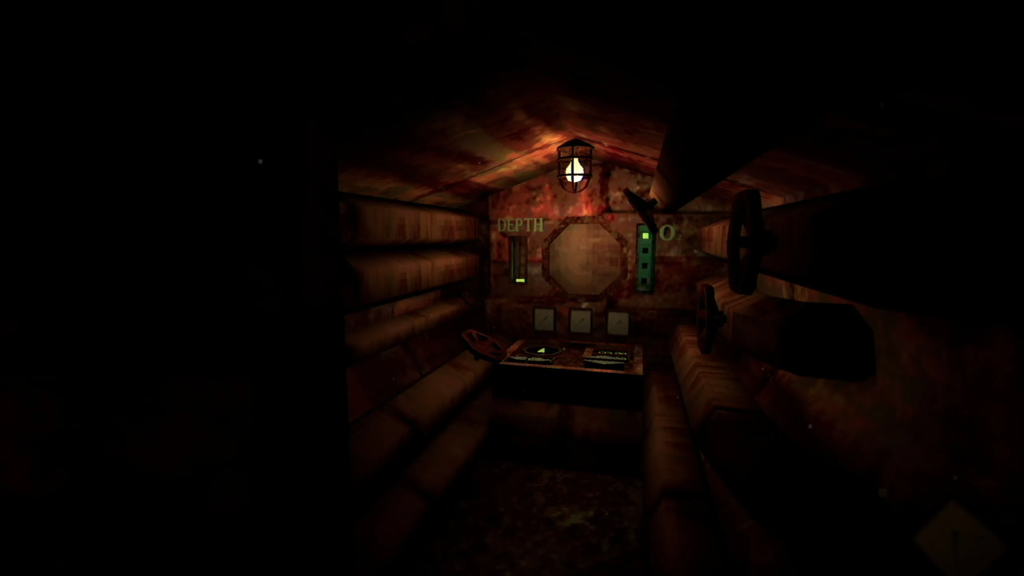
Markiplier’s ascent on YouTube has been great to see from the time I was a kid to right now. Now, his ascent in the box office this past weekend has become emblematic of something bigger. Against big names like Sam Raimi releasing his new original Send Help the same weekend, Fischbach was able to gross over $21 million in one weekend from Iron Lung‘s limited release in over 4,000 locations from an initial 50. All of this was possible through word-of-mouth, fan and community support. A majority of people who went to see Iron Lung, especially the night of the premiere, were fans of the Markiplier channel. As a community, though, this film means so much more than just a YouTuber hitting the big screen.
Iron Lung is a win for independent filmmakers nationwide. There are dedicated indie film studios helping creators fulfill their visions (Neon, A24, Blumhouse fittingly has some adjacent horror adaptations), but a release like this so successful with no marketing or outside help shows the unrelenting passion behind all involved. The cast and crew aboard Iron Lung, as well as each and every audience member who took the time to head to the theater, bringing as many crewmates with them as possible. It was with their help Iron Lung briefly became the #1 movie in America, exceeding a day’s earnings ahead of any and every major studio release debuting the same weekend.
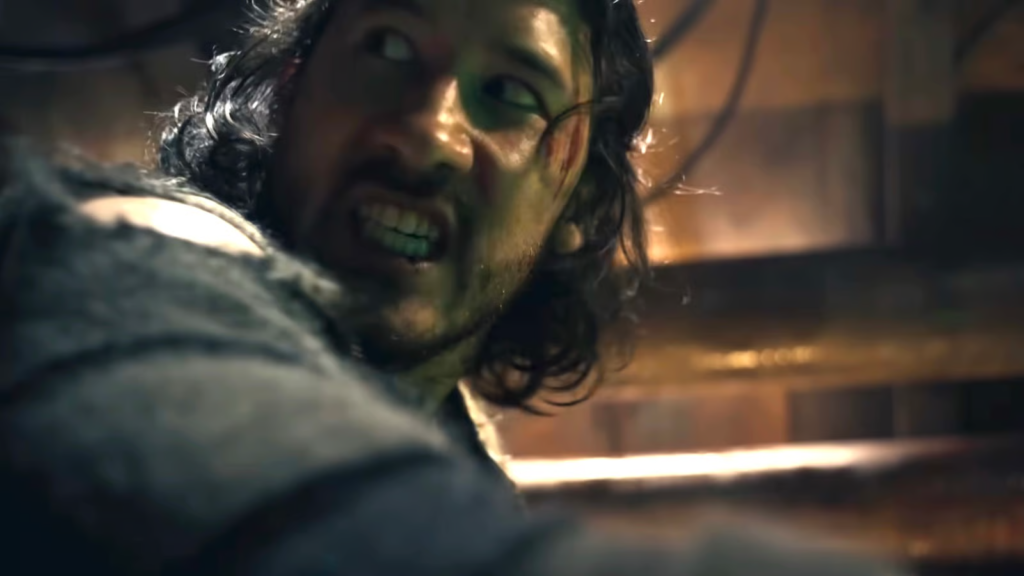
Iron Lung is out now in theaters. We hope you’ll see it.
Get Some Strange!